…Great Chieftain o’ the puddin’ race.
Friday 25th January. Burns night! The night when Scots at home and around the world celebrate the anniversary of the birth, in 1759, of our national poet, Robert Burns. Our hosts here, Ishbel’s sister and brother-in-law, had arranged to celebrate the occasion, as they do each year, with a Burns Supper. If you are unfamiliar with the concept, you should be aware that the cornerstone of such an event is that splendid Scottish delicacy, the haggis. The title of today’s post is a direct quote of the first two lines of Burns’ work “Address to a Haggis” which is traditionally recited as the haggis is cut open and served. But where in Australia can one source a haggis?
 The local haggis purveyor is Syds Pies – and we were just in time in acquiring ours as they were almost all gone.
I know that I have some non-native English speakers following the blog, and I worry about what they will make of some of the terms used so far in this post. I recall watching an episode of the UK comedy panel show, QI, where they talked about trying to translate works into and out of different languages using Google Translate. Apparently, they translated “Great chieftain of the pudding race” into, and back out of, German getting the end result “Fuhrer of the sausage people.”
Along with the haggis, it’s traditional to have neeps and tatties. The tatties are easy: mashed potatoes. Neeps, on the other hand, is a more vexed question. Are they swedes or turnips? It turns out that different parts of the UK use these terms differently. So my answer is straightforward: Neeps are the yellow ones, not the white ones.
When all’s said and done, we had a most enjoyable Burns Supper, with friends of our hosts, handpicked as people who would enjoy haggis. (Amazingly, not everyone does.) What better way to close out this post than using Rabbie’s last couple of lines from the Address:
Auld Scotland wants nae skinking ware that jaups in luggies,
But, if ye wish her gratefu’ prayer, Gi’e her a haggis.
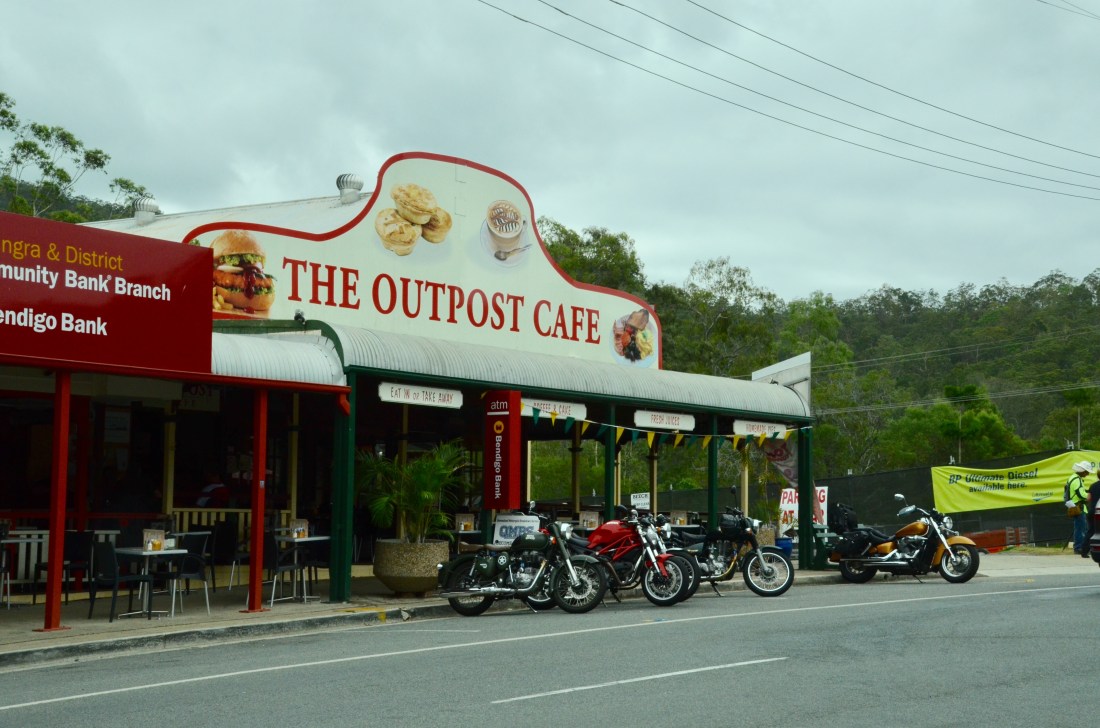

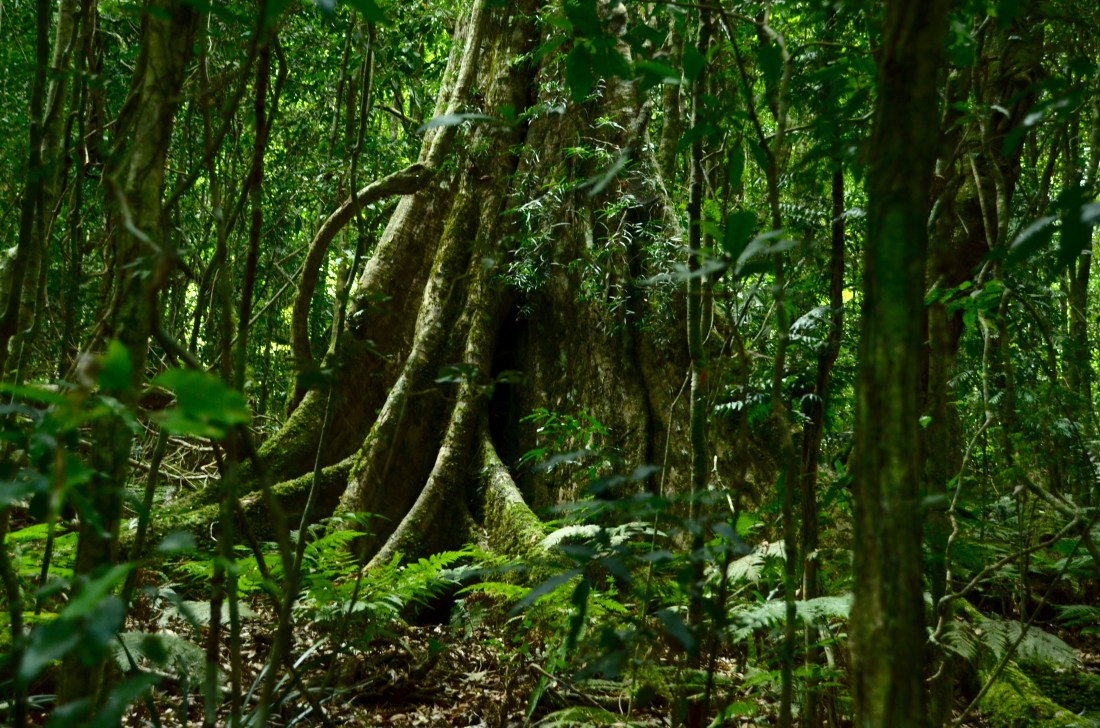 After our walk, we carried on up to O’Reilly’s. The O’Reilly family were farming in the area when the National Park was first proclaimed in 1915, but they became nationally famous in 1937 for the part played by Bernard O’Reilly in finding a passenger aircraft that had crashed in the park and helping the two survivors back to safety. The story is related in an Australian TV movie, “
 After a pleasant wander around, we headed back home for dinner. We had identified a poker tournament that was taking place in a local pub, The Helensvale Tavern. Entry was AUD 22, about £12, so we decided we’d enter as our game is getting very rusty on this trip. Also, the pub had a special meal deal on Thursdays so we opted to eat there and check out the arrangements in advance of the tournament’s start at 7:00pm. The food was good, but the portion was enormous. If we eat there again, we’ll share a meal.
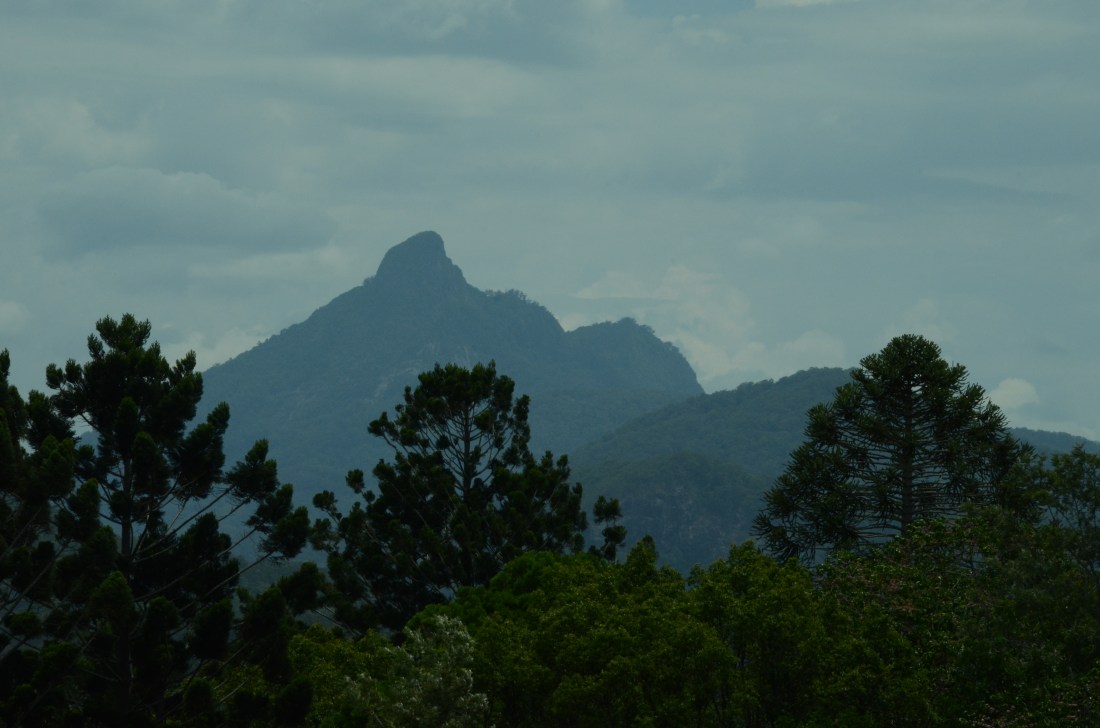 This is a peak that Ishbel and I, together with our two boys and various other family members, ascended over 20 years ago on a previous Australian visit. That was during the Australian winter and I recall even then being somewhat hot and bothered by the time we got to the top, so I had no appetite to repeat the experience in the middle of a blisteringly hot summer.
 World After Work