After less than a day in Japan, I chose to share with you some of my early impressions. Leaving the country two weeks later, I’ve decided to share a few observations of things that I found quirky, wondrous, scary, or any combination thereof. In that early post, I mentioned three things: the drunken salarymen, the technologically advanced toilets, and the scary cycling on the pavements. I’ll be bringing these up again, and lots more. As I write this, I’m conscious of the fact that I have at least one reader who used to live in Japan, and at least one reader who still does so, to them, my observations may be laughable based, as they are, on a mere two weeks of exposure, but what the hell. Here goes…
Cycling
What we regarded as some form of two-wheeled anarchy turned out to be business as usual in Japan. Cyclists and pedestrians are expected to share the pavements, no matter how wide or narrow they may be. Or early experience of this was certainly coloured by the fact that the pavement outside our Tokyo AirBnB was narrow and the street door opened outward which must surely be a hazard for all and sundry. We were just starting to get used to being on the lookout for bikes as we were leaving.
Public Transport
It’s possible to make public transport work. Over the course of two weeks, we visited four cities, taking all of our luggage on each journey – including the instruments. And we used public transport for all of our travel needs. We did not take a single taxi all the time we were in Japan. The ability to use a single tap-and-go card across all municipal systems, from Tokyo’s subway to Hiroshima’s trams made life simple.
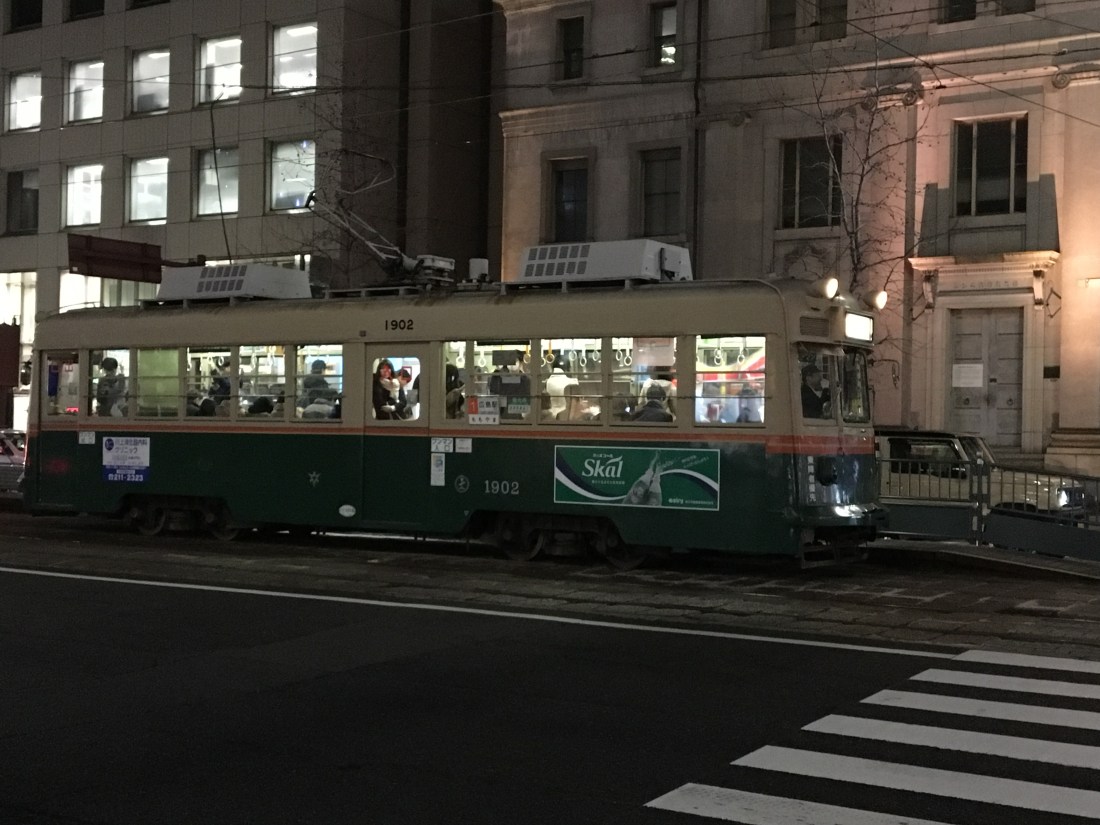 Also, we were on a crowded train one morning with a number of people standing in the aisles. At the end of the carriage are six seats identified as priority seating for those who need it. Those seats were empty. The people on the train respect the fact that they may be required. It’s a similar story with women only carriages. They exist, and men don’t use them. Easy.
Civic design
There is something very attractive about elements of design being incorporated into the everyday aspects of life. For us, this was highlighted by the fact that different cities have commissioned their own design of manhole cover. This most ordinary of items becomes art, or a focus for civic pride. You have to admire that.


Earthquake architecture
I wasn’t really conscious of the fact that, as you walk down a UK High Street, the shops form a continuous frontage on to the pavement. The buildings are conjoined regardless of age or architectural style. Not so in earthquake conscious Japan. Buildings have small – less than a metre – spaces between them. Once you notice it, it’s a really obvious difference. Also, high buildings have external staircases that are incorporated into the overall design.

Uniforms
Many Japanese jobs would appear to have an associated uniform. And when that is the case, the uniforms tend to be immaculate and worn with pride. This was certainly the case on the bullet trains and the subways, with the Tokyo Tower staff, even schoolkids. On a tram in Hiroshima just as school let out for the day, a bunch of high school students joined us on our journey. The boys were all dressed exactly the same, as were the girls. And, astonishingly, boys and girls were all wearing exactly the same plain black shoes.
It’s difficult to get photographic evidence to back all this up since it’s not really appropriate to take pictures of random strangers as they go about their daily lives, but I did get a couple of surreptitious snaps: one of a utility worker and one of a pair of painter and decorators.


Japan
This is a country with a fascinating history, about which I now realise I was woefully under-informed. It’s a place of contrasts. Of technology and shrines. Of respect for the rules and very drunk businessmen.
But, it’s warm and friendly, and we’ve already decided that we’ll be back. If you’ve never been, make sure it’s on your list.
 That’s all we saw. Apparently it’s not open at the moment as it’s setting up for a special exhibition starting at the end of the month. I’m going to have to learn to read Japanese. The gardens were open so we had a stroll around them for a while and visited the teahouse that was built at the same time as the house.

 We then looked for somewhere for dinner and discovered a Japanese foodstuff that we hadn’t previously encountered on our travels: Omurice. It’s rice, inside an omelette. Tasty.
 At the end of their first set, the young bass player, Shinnosuke, came over for a chat with us. We discovered he was the son of the banjo player and he also played with some of his contemporaries in a rock band but enjoyed bluegrass very much. He told us that, for the second set, the band usually invites guest vocalists and instrumentalists on to stage with them and tried to encourage one or both of us to participate. We were obviously reluctant to do so since the quality of what we heard in the first half was way beyond what we could achieve.
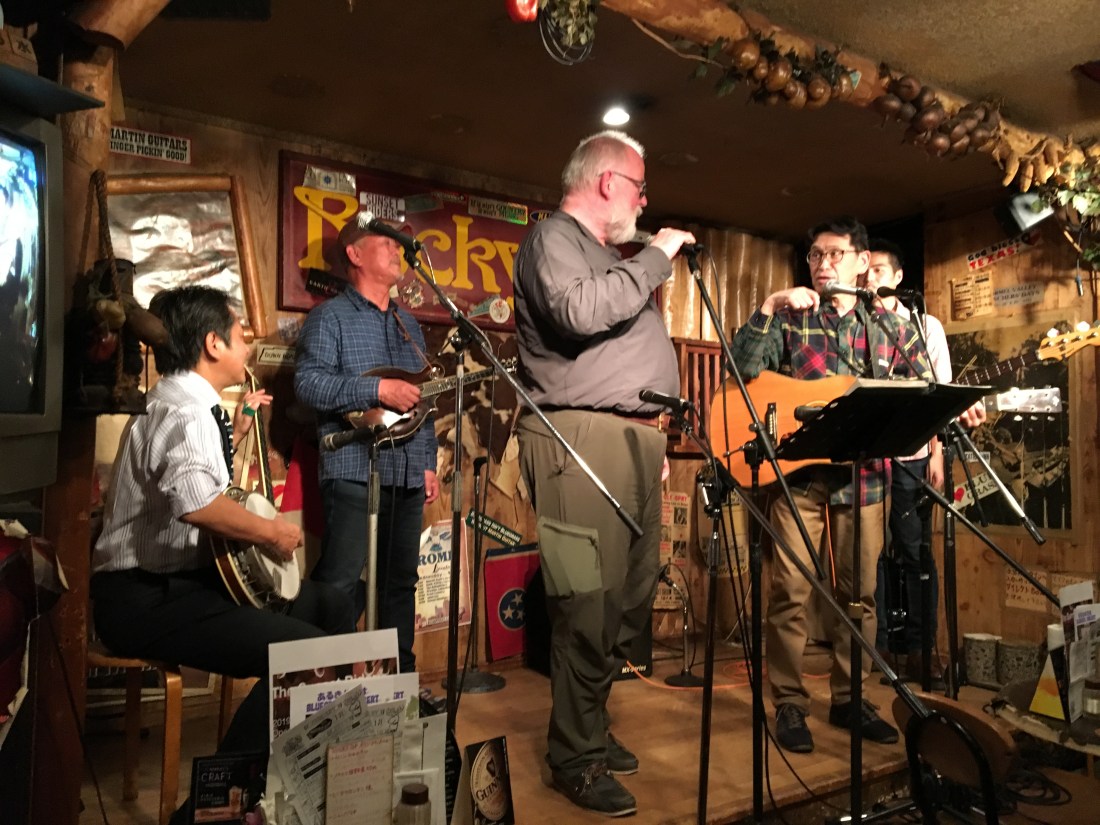 But of course, I did it anyway. I sang


 After this, we took a tram back to the hotel to get ready for our return journey for Tokyo the next day. The Japan leg of the trip is almost over, but we have one more day in Tokyo and will enjoy it to the full.


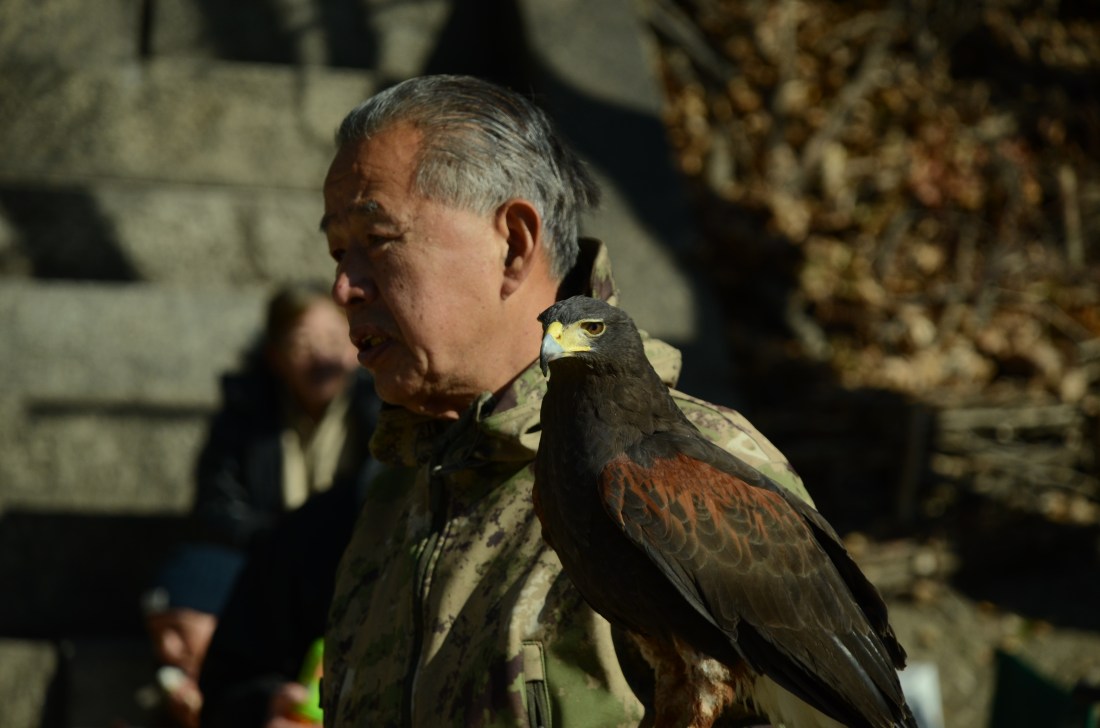
 I was fascinated to see that the birds appeared to have been transported to the park in cat boxes fixed to the luggage racks of bicycles. Although we did later see one elderly gentleman cycling out of the park with an owl perched on his handlebars. Not an everyday occurrence.
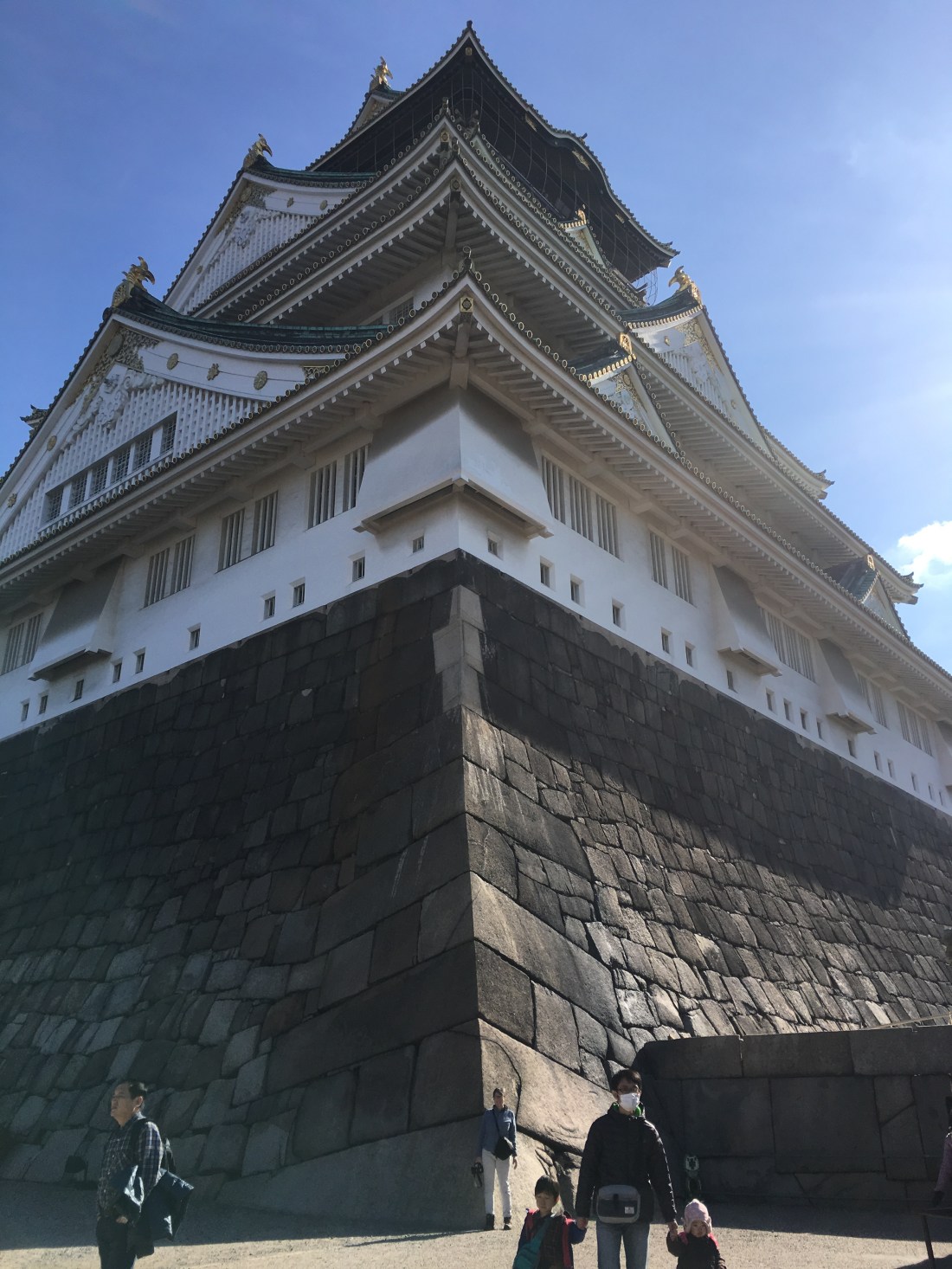 We paid our entrance fee of about £4 and headed for the entrance. There was a very long queue of people waiting to get in, which was disappointing, until we realised that the line was only for the lift and we were welcome to use the stairs if we wanted, so we did. There was a display of historic items in each floor of the castle so we stopped off to view them as we went, nicely breaking up the journey for us. There were great views of Osaka from the top.
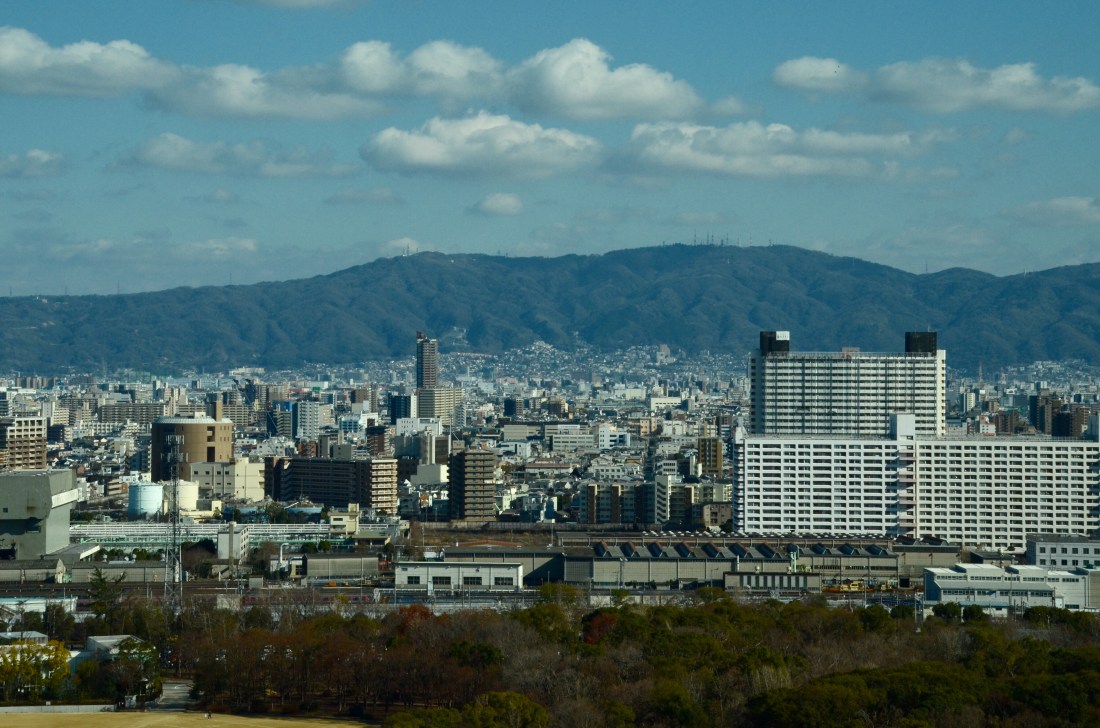 There was also a lot of information about the importance of the castle in a variety of power struggles around the late 16th and early 17th centuries. The castle itself was built by Toyotomi Hideyoshi who is viewed as one of the three men who were key to the unification of Japan, the others being Oda Nobunaga and Tokugawa Ieyasu.
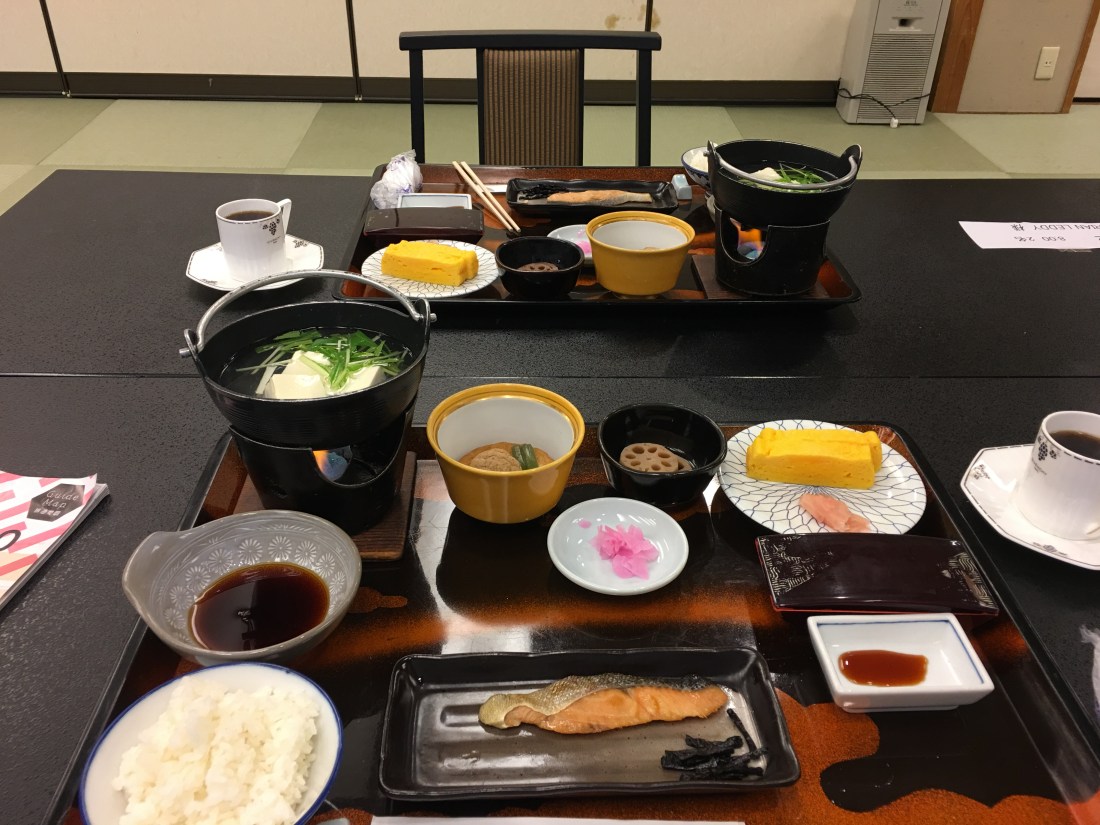 You can imagine how excited I was to see the big lump of cured fish right in front of me, plus the spirit burner cooking the tofu in the top left corner of my tray. I surprised myself with how much of this little lot I managed to eat. I really am a man of simple tastes but, on the other hand, when faced with the choice of eating what’s there or going hungry I will avoid peckishness.


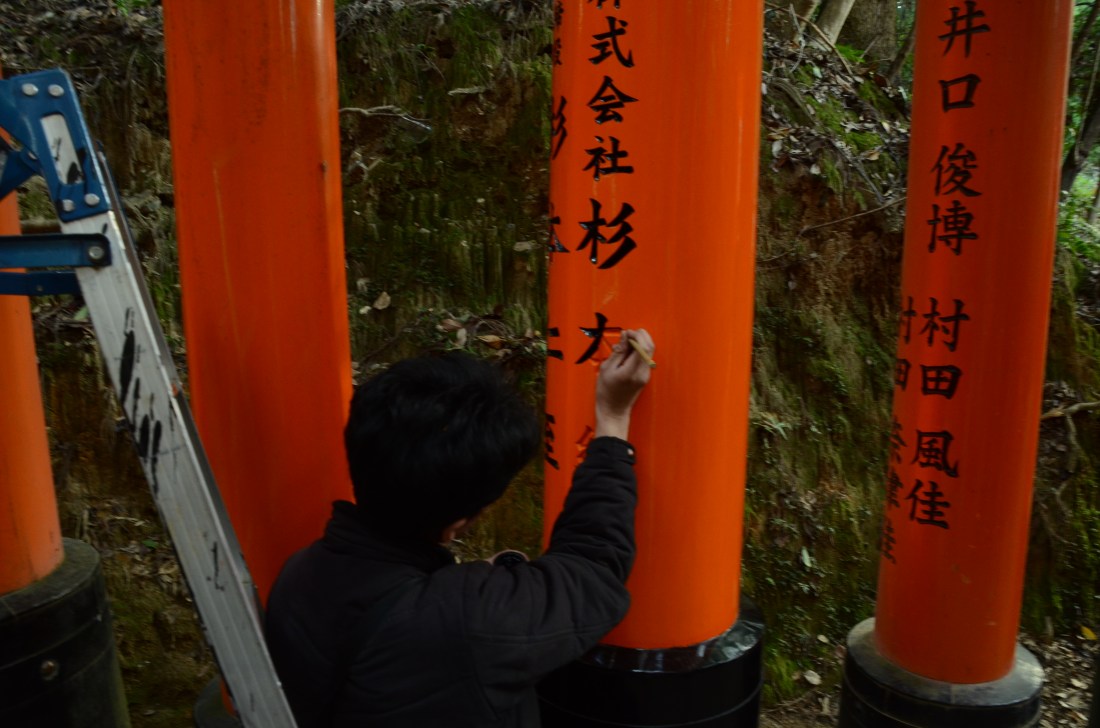
 And back down again, of course. The path to the shrine is a fascinating feat, not only of construction but of maintenance. The entrance to an Inari shrine is usually marked by a torii, or gate, painted in vermilion. But this is the head shrine, so one gate isn’t nearly enough.
 But in a country as humid as Japan, wooden structures on this scale require constant monitoring and repair. Many of the columns have visible damage but there are regular reminders of the work being undertaken to maintain the pristine appearance of the walk to the top.
 After the climb and descent, we were back on the subway and back to the ryokan. After stopping off for a quick beer because, frankly, we deserved it.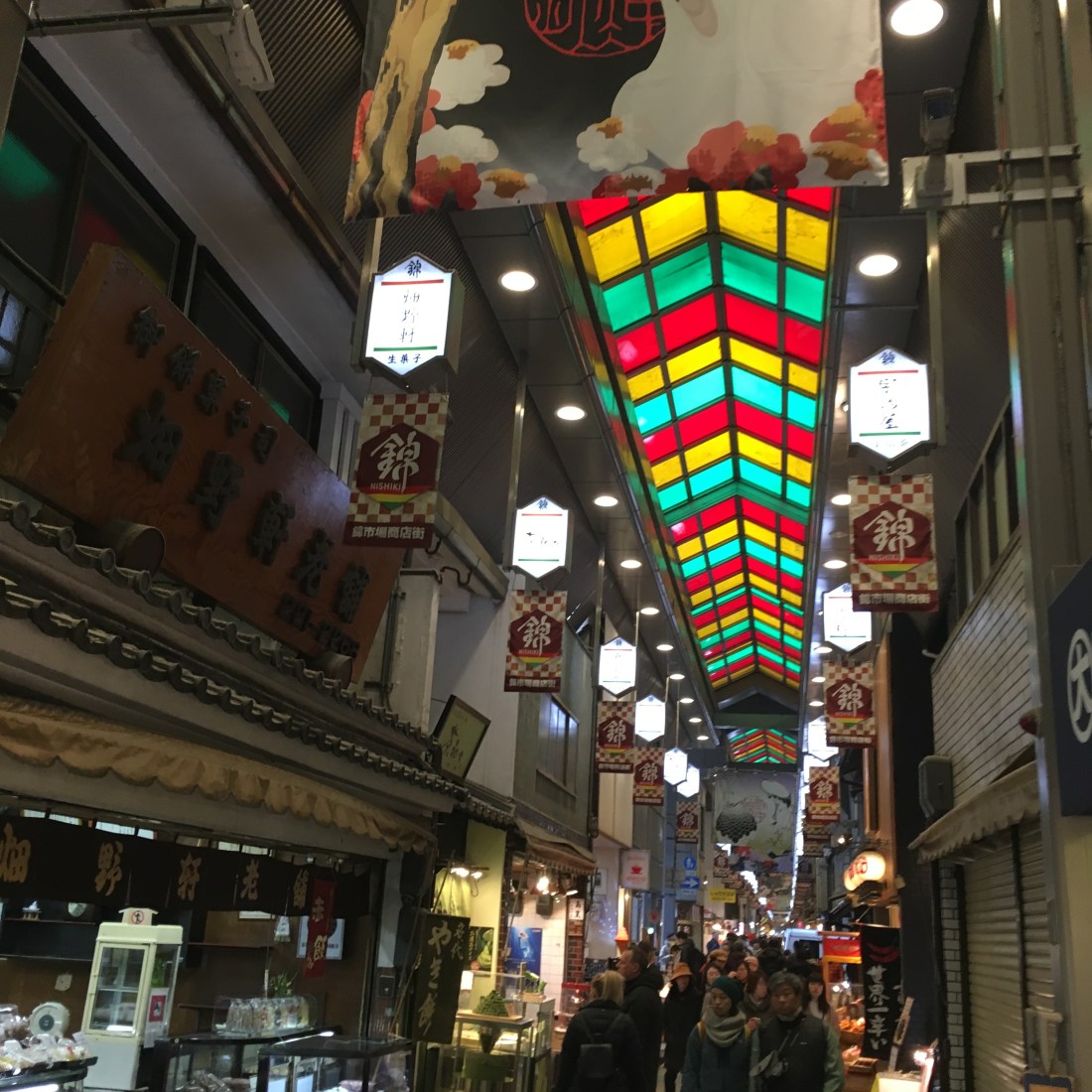


 Another aspect of the inn is the availability of communal baths where guests can go and cleanse themselves. Ishbel and I both took advantage of this facility after arriving and it turned out that we were each the only people in our respective, gender segregated baths. Afterwards, we dressed in our Yukata – an indoor kimono type of robe. Once we were dressed in these, I changed back to western clothes. I realised that we would be required to sit cross legged on the floor to eat dinner, and the yukata barely covered my modesty when seated in a sedate western fashion. It would certainly result in overexposure if I were to wear it while dining.
 You may be able to spot here a considerable quantity of raw fish on the plate in front of Ishbel. Also, that thing in the sauce on the plate at the left of the picture is a fish head. Well, I ordered it so I had to live with the consequences. It turns out the fish head had quite a bit of fish meat on it and the sauce was quite delicious. Most of the raw fish was reasonably pleasant and the tempura was good. Surprisingly, I was able to eat enough so that I didn’t feel the need to sneak out for a burger later in the evening. Ishbel had no qualms about any of it of course.


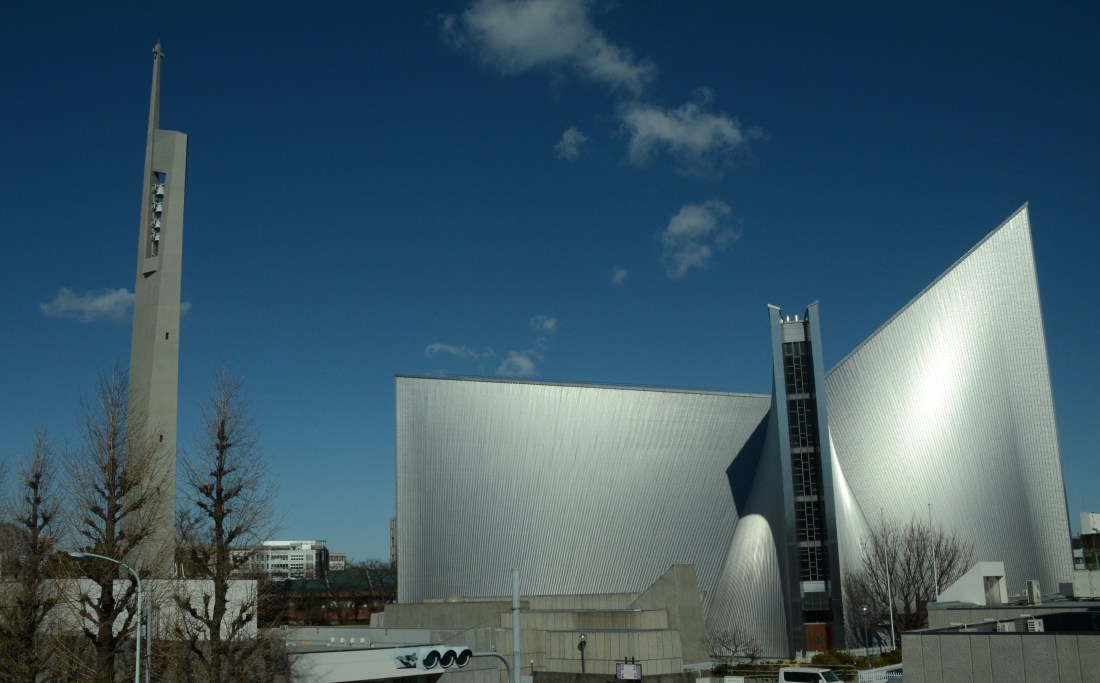


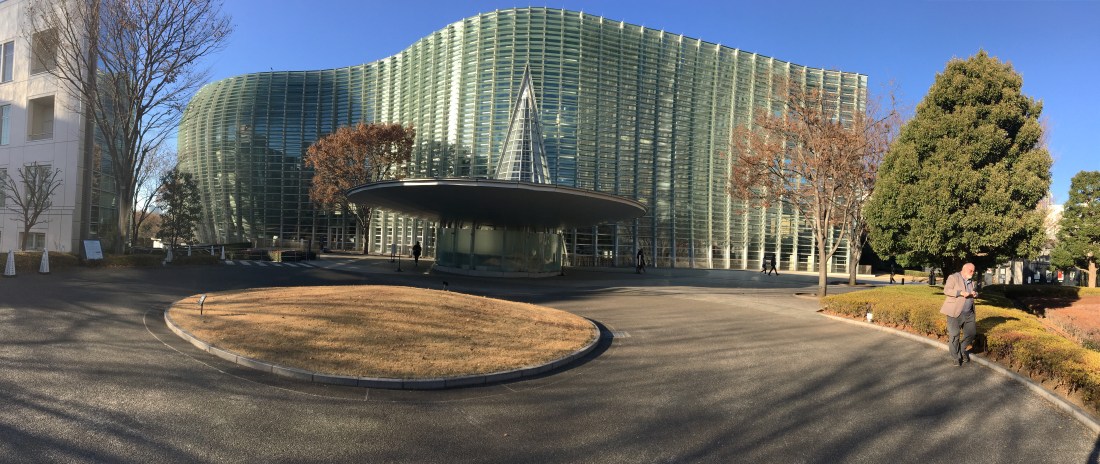 It was an easy walk back to our flat from here and, as we strolled and chatted, it suddenly struck us why Tokyo taxis look so odd.
 It’s a long time since UK cars were built with wing mirrors on the actual wings of the car. We didn’t figure this out for ages but once you notice, it really does look odd.
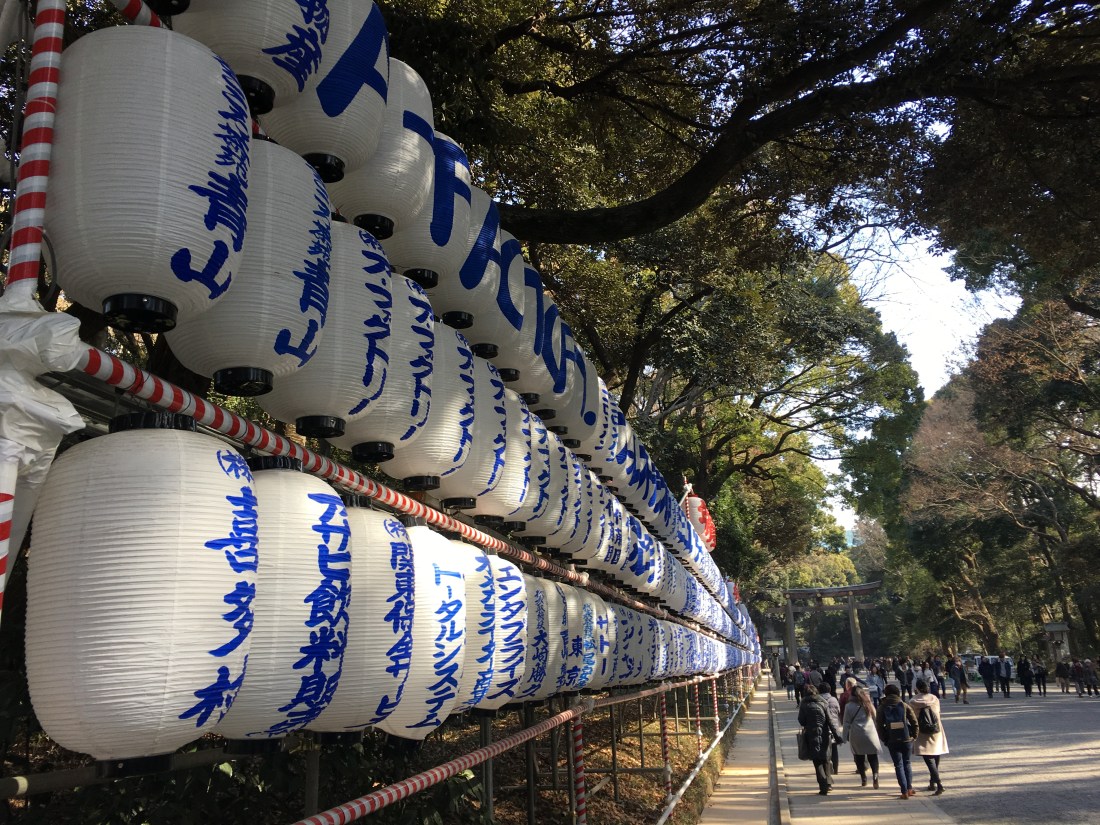
 That’s why there were several barrels of burgundy donated as part of the consecration ritual for the shrine.
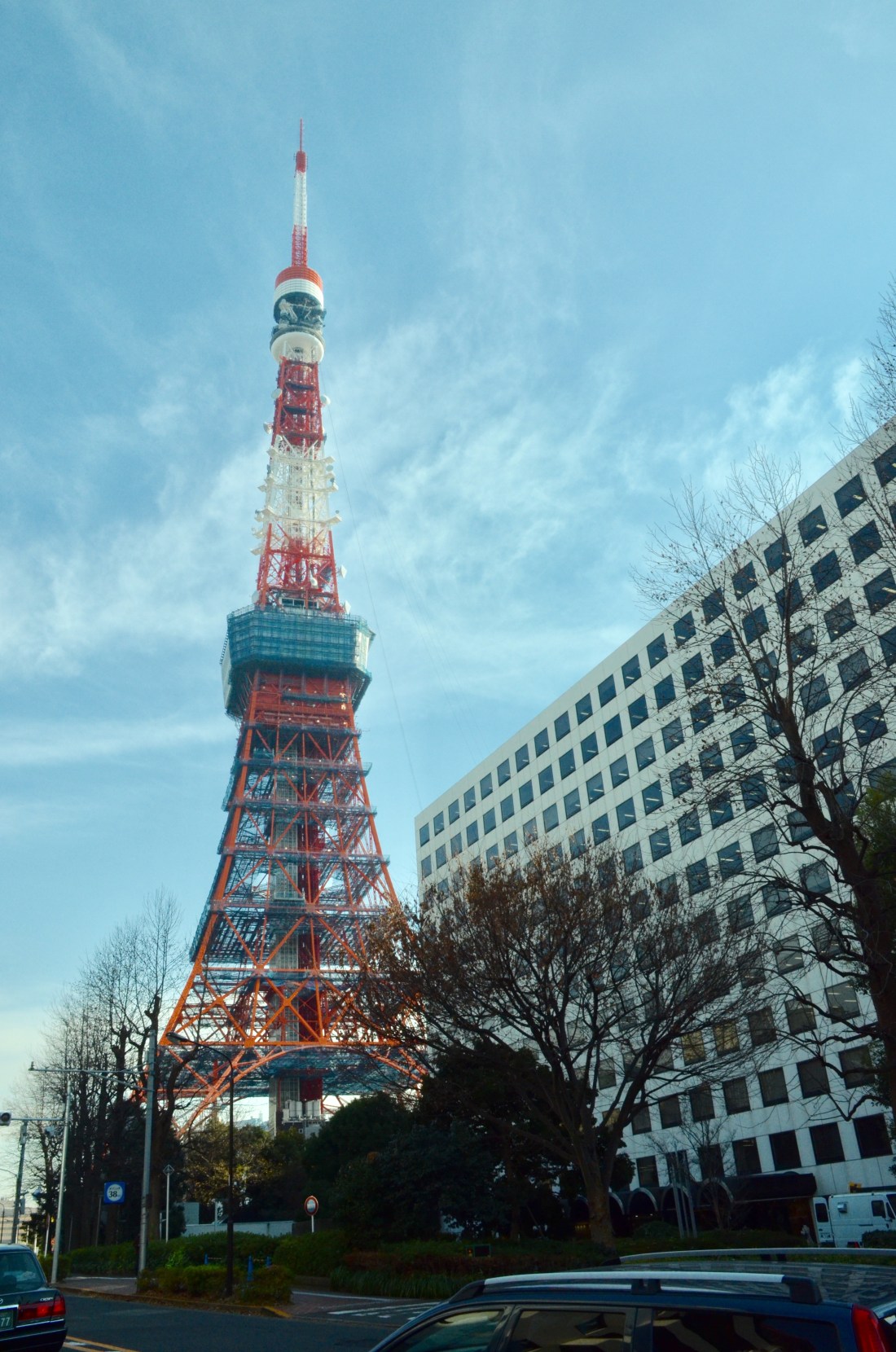 After getting back down to ground level, we took a little stroll around the area. There’s an interesting phenomenon here around how restaurants attract passing trade. Some of them have menus with pictures on them which allow non-Japanese speakers like ourselves to simply point and smile to get what we want. Others go one better.
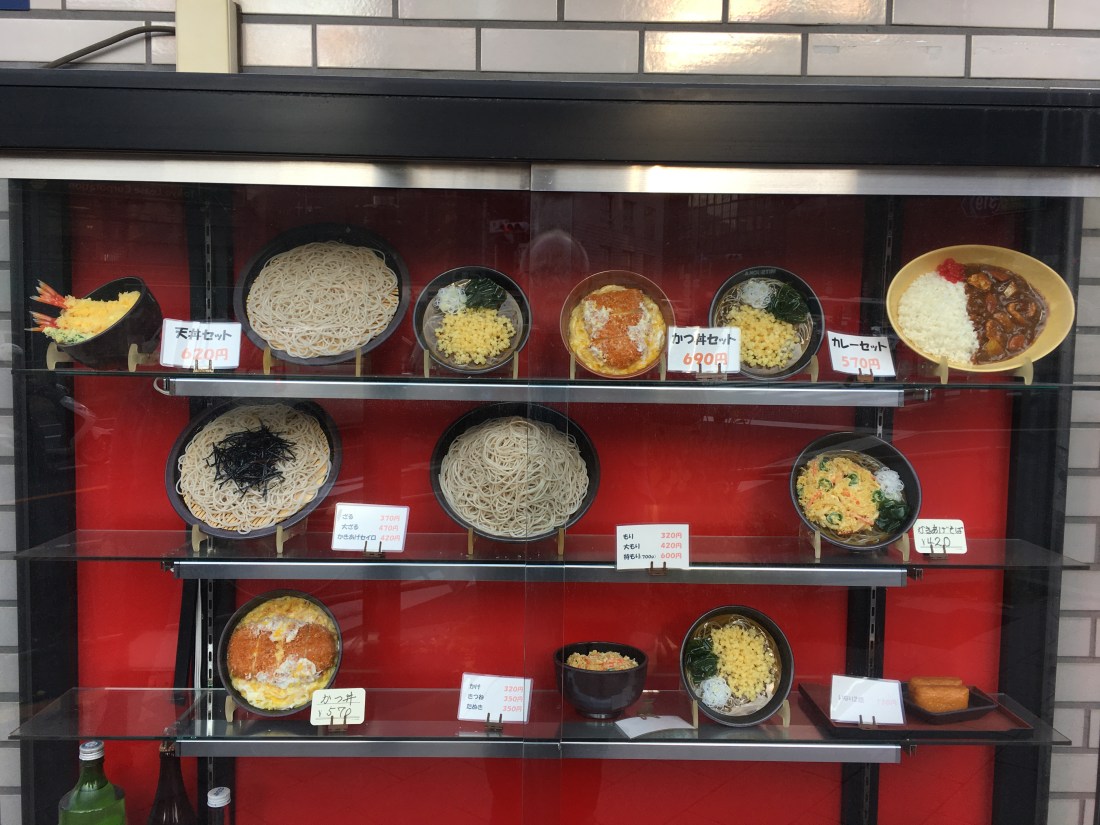 They display what I sincerely hope are artificial reproductions of the food available inside. This isn’t something I’ve ever encountered before and I really like it.
 World After Work