We were awake early on Sunday morning and, after a quick breakfast at the hotel, we loaded up the rental car and headed or the airport. As was the case in Cape Town, there was a petrol station right next to the car rental return point so it was easy to fill up before handing the car over to Avis.
Our first two flights were with BA and I wasn’t enamoured of their seat allocation and check-in process. The flight to Hong Kong was operated by Cathay Pacific and everything about the experience was better than BA. I had been able to reserve seats online a month ago, at no extra charge, so I knew where we would be sitting. Online check-in opened 48 hours before flight time and was easy. As for the flight itself, Cathay’s Business Class is vastly superior to BA. We had flown on a 777 to Cape Town from London and the seats were arranged 2-4-2 across the plane. Cathay’s 777 seating arrangement was 1-2-1 giving a huge amount of extra room for storage and stretching out. The entertainment system was also better.
So it was that we arrived in Hong Kong early in the morning of Christmas Eve. There was a huge queue at Immigration so it took us a while to be processed and get out to baggage reclaim. After that, it was a straightforward journey into Hong Kong itself. We are staying in Wan Chai at the Dorsett Hotel so we took the Airport Express train to Hong Kong station and then a short taxi ride to the hotel.
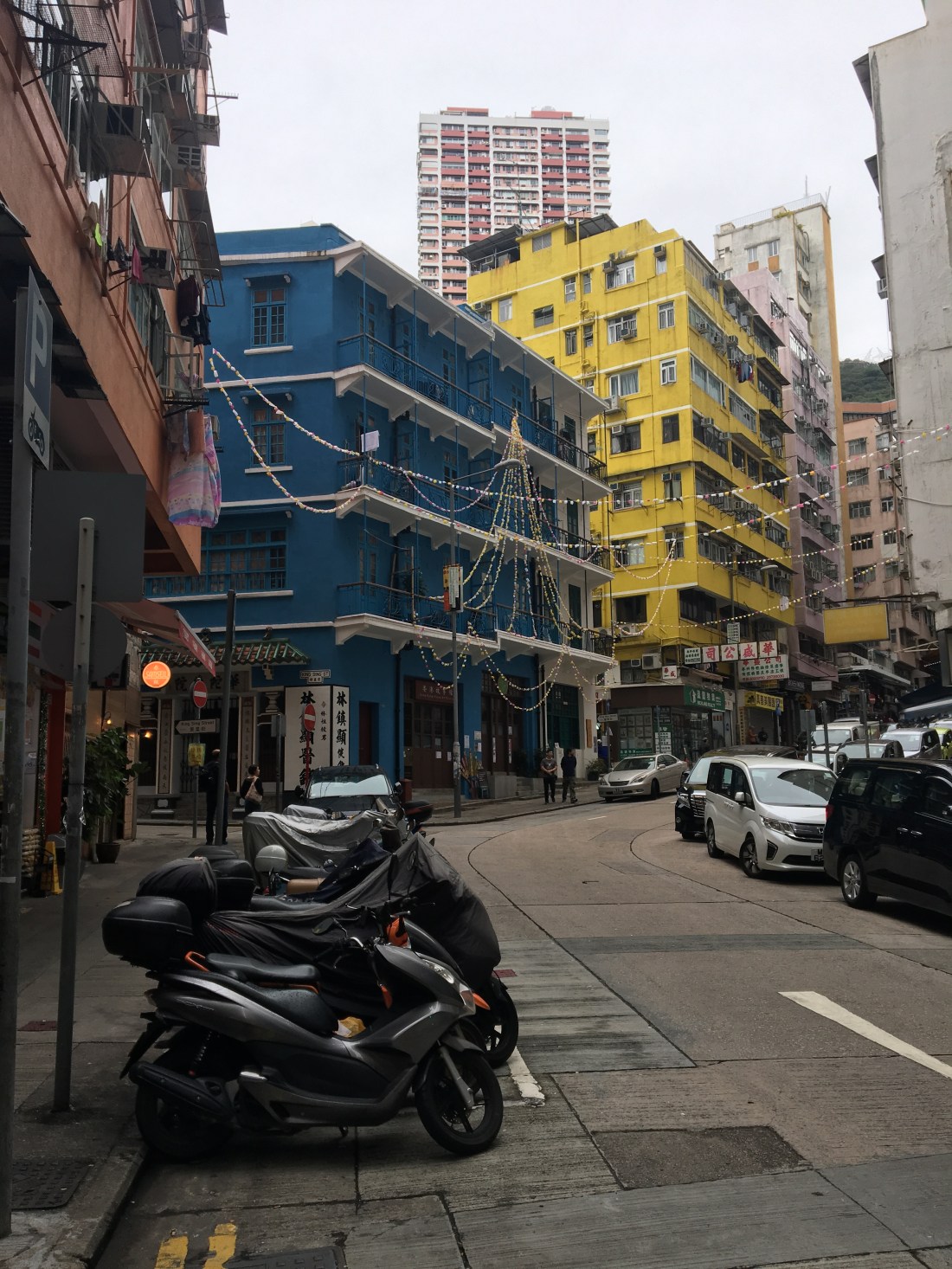
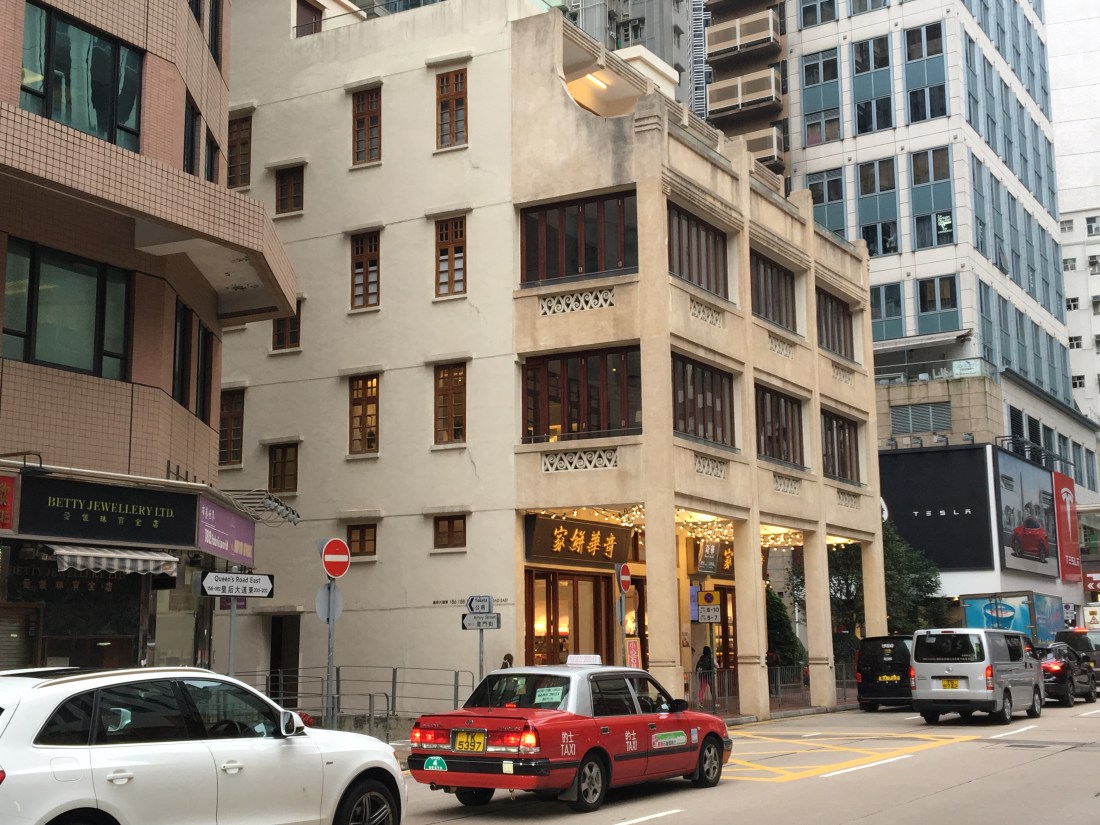
We were here shortly after 9am, so we weren’t particularly surprised when they informed us that our room was not yet ready. I had read about the Wan Chai Architectural Heritage trail, which was a walk around some interesting buildings in the area so we figured that would kill a couple of hours.
Thus we spent some time wandering the streets, admiring various buildings from the “Streamline Moderne” style of Wan Chai’s old market…
 …through the traditional style of The Blue House…
 …on to the “Guangzhou Verandah type” shophouse…
and many more besides. Having walked quite a long way, we stopped for a coffee before heading back to the hotel in hope of getting into our room and, for the sake of everyone around us, getting the chance to shower. Luckily, a room was available for us.
The 6 hour time difference from South Africa was having an impact on us and we were feeling a little dozy but Ishbel made sure I didn’t crash completely. After relaxing a little, we went out wandering again to find a venue for an early dinner. We decided Chinese food should mark our arrival in Asia and settled on a place called Hay. Interestingly, it was right next to an enormous outdoor Christmas Tree, and it looked as if a large part of Hong Kong’s 20-something population had decided this was the place to take a selfie.
 After dinner, we took a slow stroll back to the hotel. This is our first time here and we were fascinated by the bustling night markets and the crowds that thronged the streets. The Christmas theme is wholeheartedly embraced here, but there’s still a sense of business as usual around it all as well.
More by luck than judgement, we’ve picked an interesting place to spend our festive season


 We were awake anyway, so we once again packed away all of our gear and headed down for our last breakfast in Pilanesberg. I think the waiting staff have been surprised all week at our capacity for tea consumption in the mornings but today we were kept topped up appropriately.
 We couldn’t help speculating that it originally just said “Horses in Transit” until people complained to them that it was cruel to move horses around in such a tiny horsebox, and that’s why “Miniature” is in a different font.
 Since we were in that area anyway, we decided to have an early dinner. Friday night is traditionally pizza night for us back home, so we had pizza at Septimo, an Italian restaurant overlooking the square.
 He was hard to spot at first but once you saw him, he was unmistakably not a floating log.
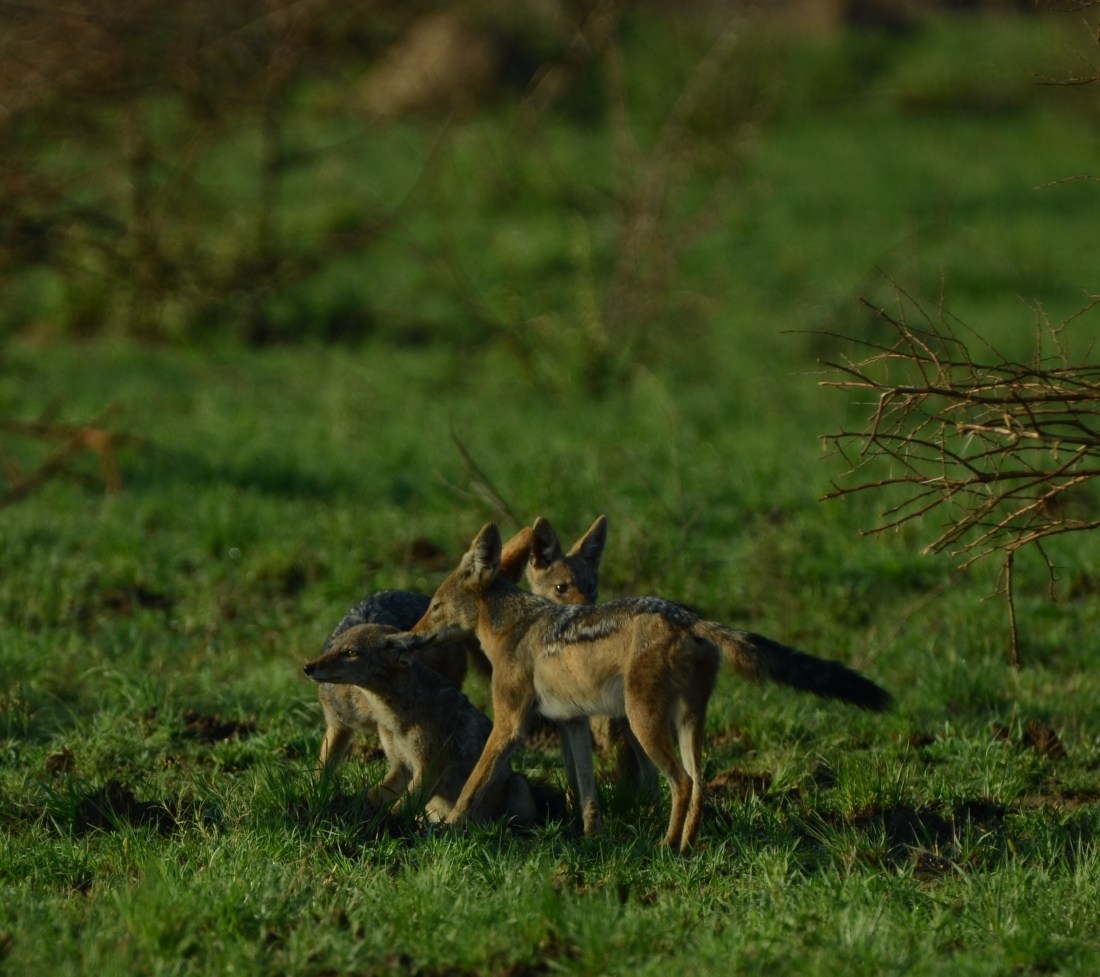 Plus, of course, repeat sightings and photos of many of the animals we had seen previously. Then our guide got a message over the radio: a leopard had been sighted and he had just made a kill. We were going to drive straight over to his location, stopping for nothing. I mentioned previously that we had just about managed to glimpse a leopard but we would certainly appreciate being able to photograph one. And we did!
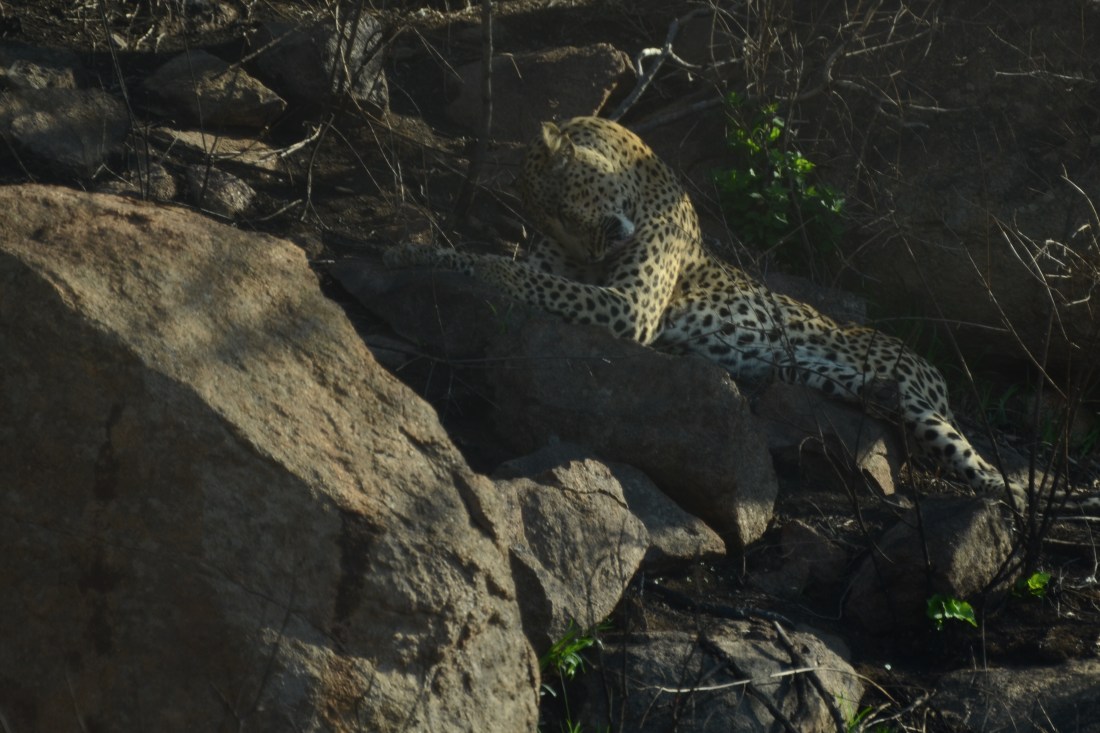 And if you ever wondered how effective the leopard’s spots are as camouflage on a rocky hillside, see how easy it is to make out his face in this one…
 I was asked what kind of camera Ishbel was using for her wildlife photos, so thought I’d provide a full catalogue of the optical equipment in use over the last few days.
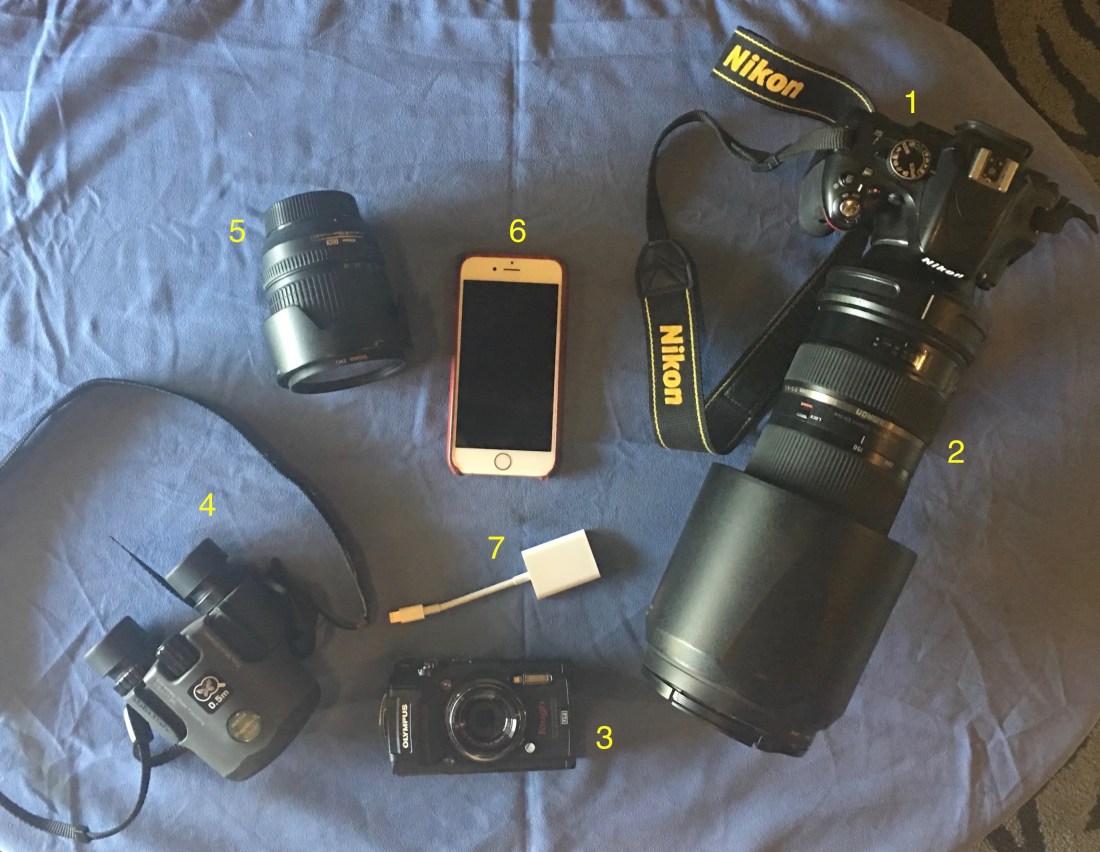 1. Nikon D5100 DSLR Camera Body
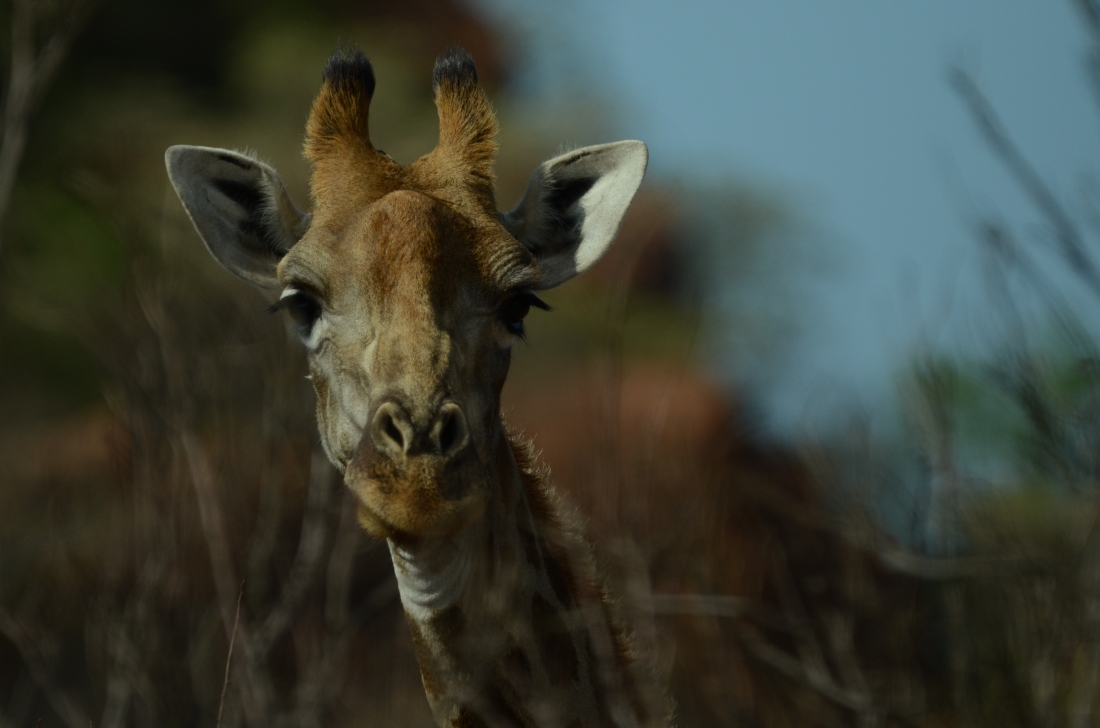 The male has thicker horns that splay outward and are bald on top. Females have thinner horns which point inwards and have hairs on top. Easy!
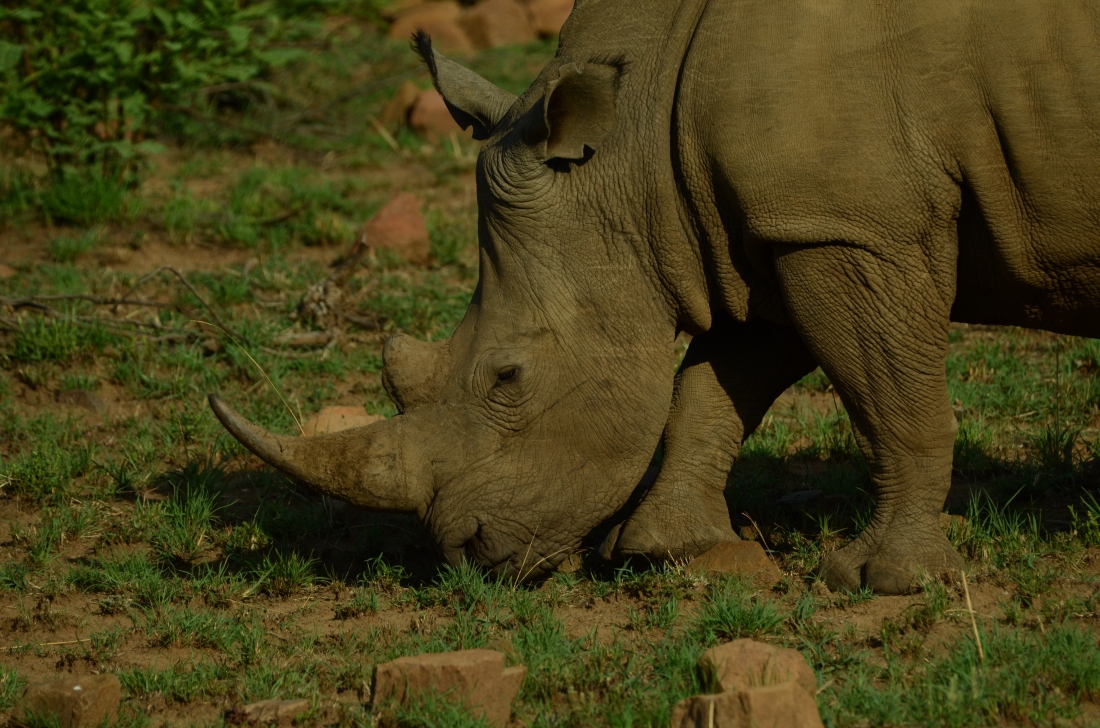 We got some great shots of rhinos and spotted a pod of hippos in a waterhole.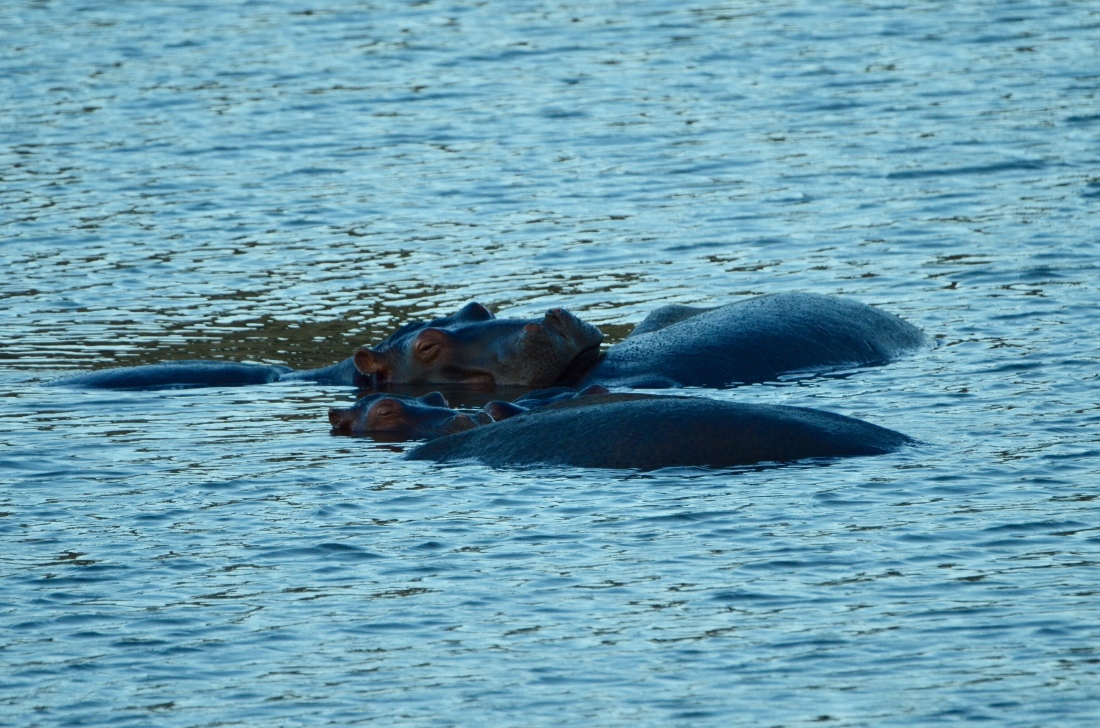
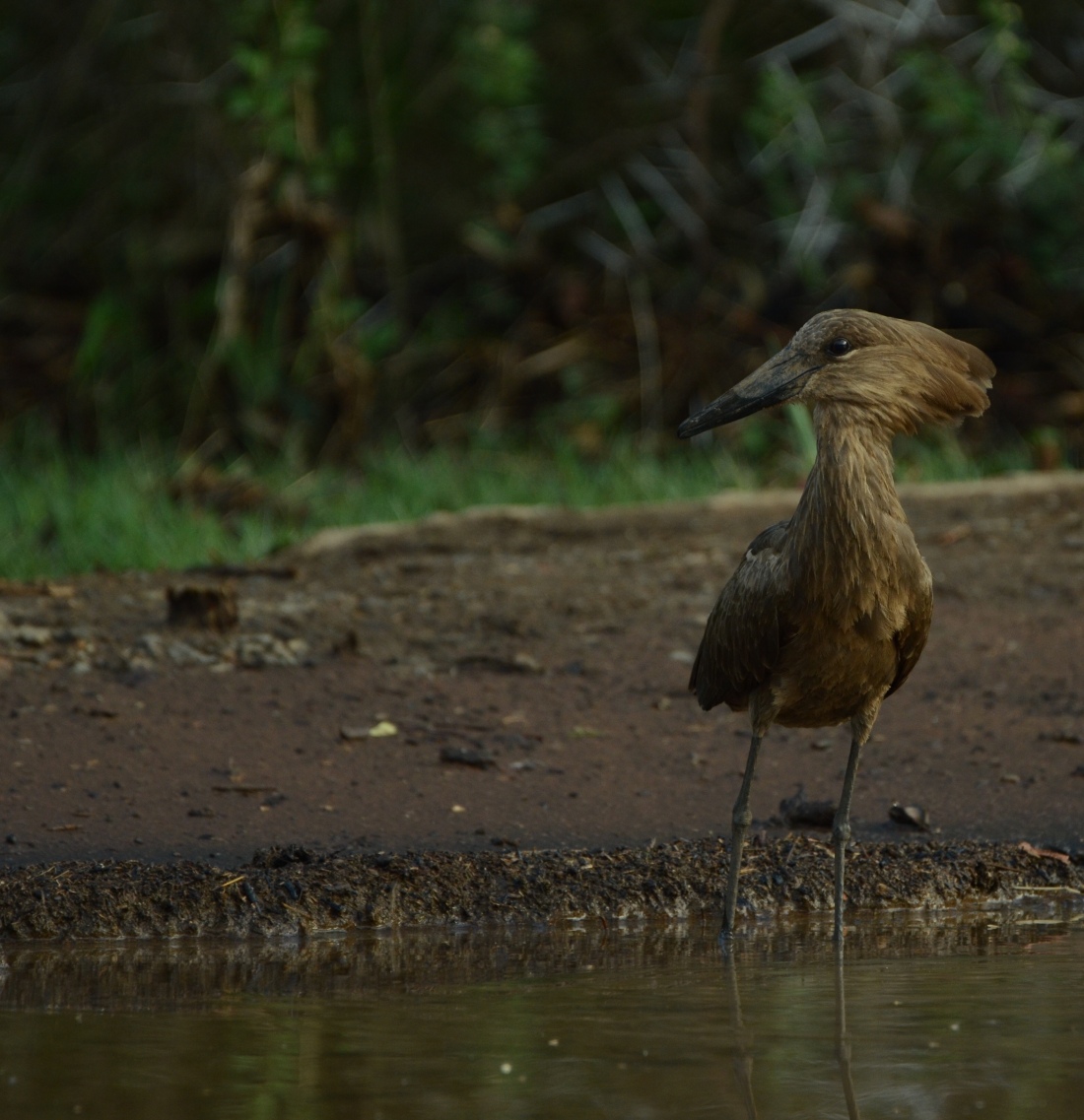 We spent an hour and a half in the hide then decided to get cleaned up and have breakfast. The rest of the day was fairly relaxing until we headed out for the game drive and the braai.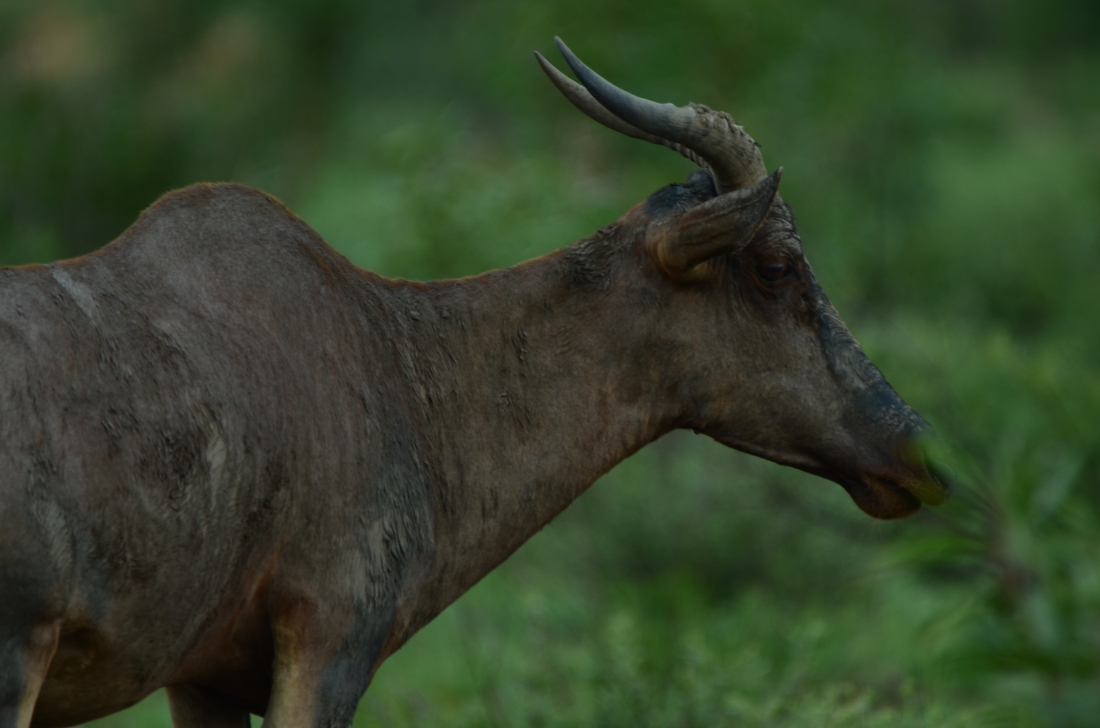
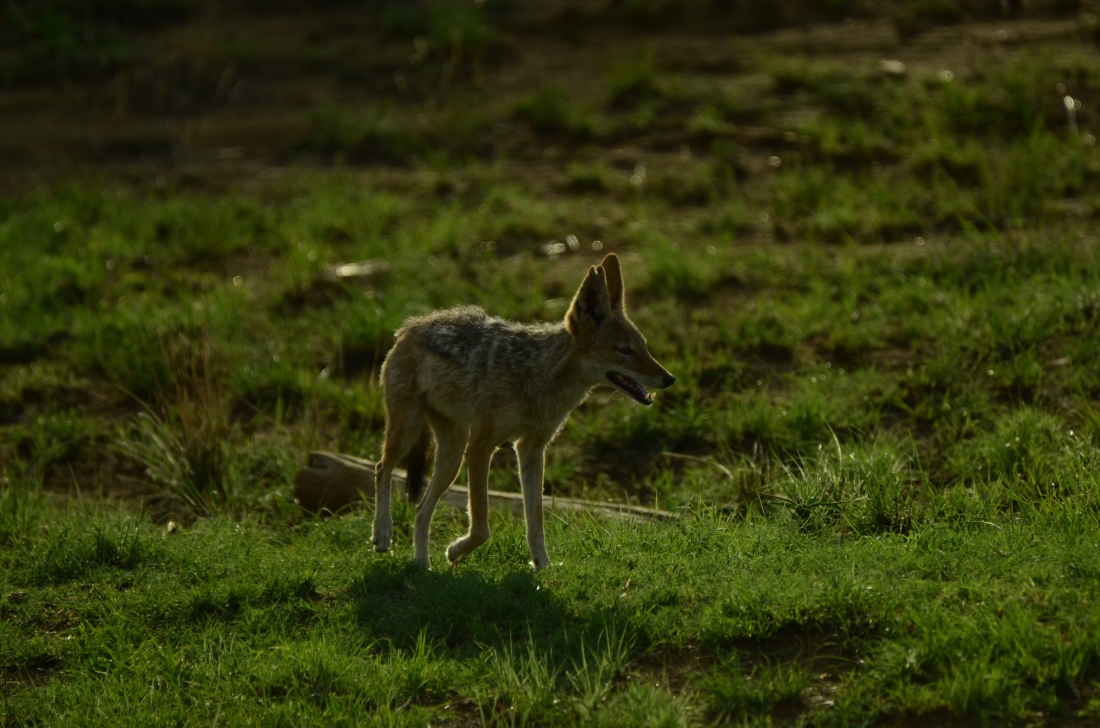 But it’s the time of plenty in southern Africa as the rains bring plentiful food. And plentiful food means babies.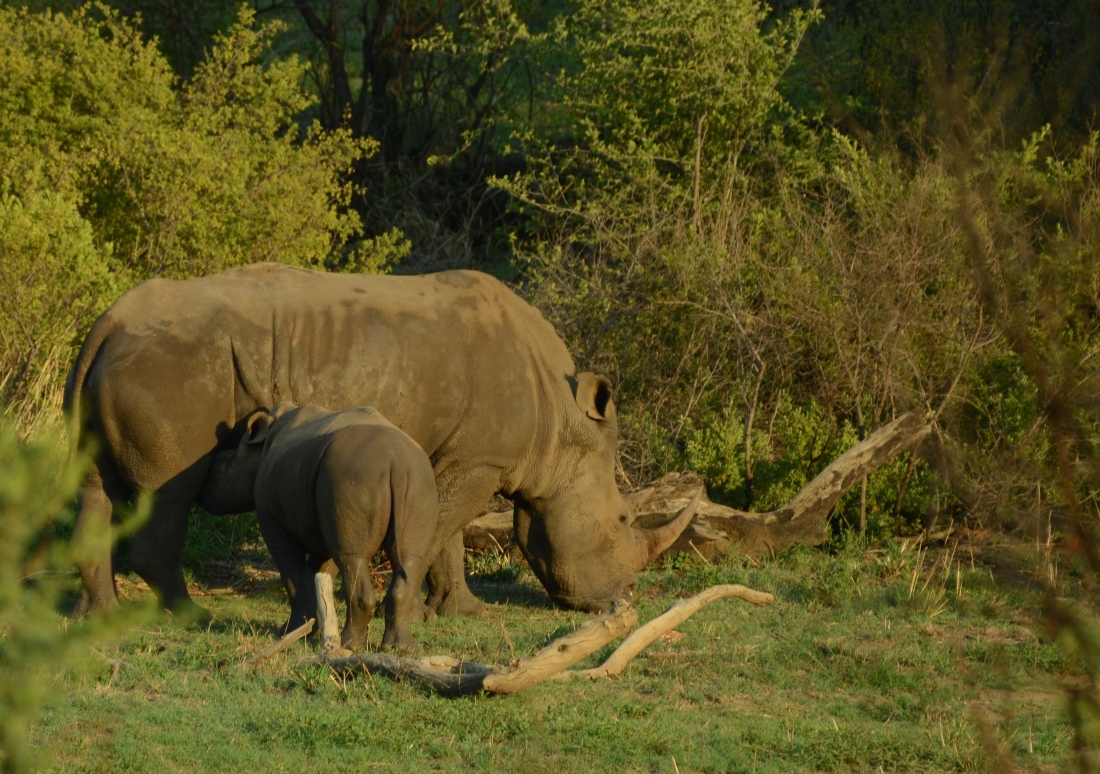
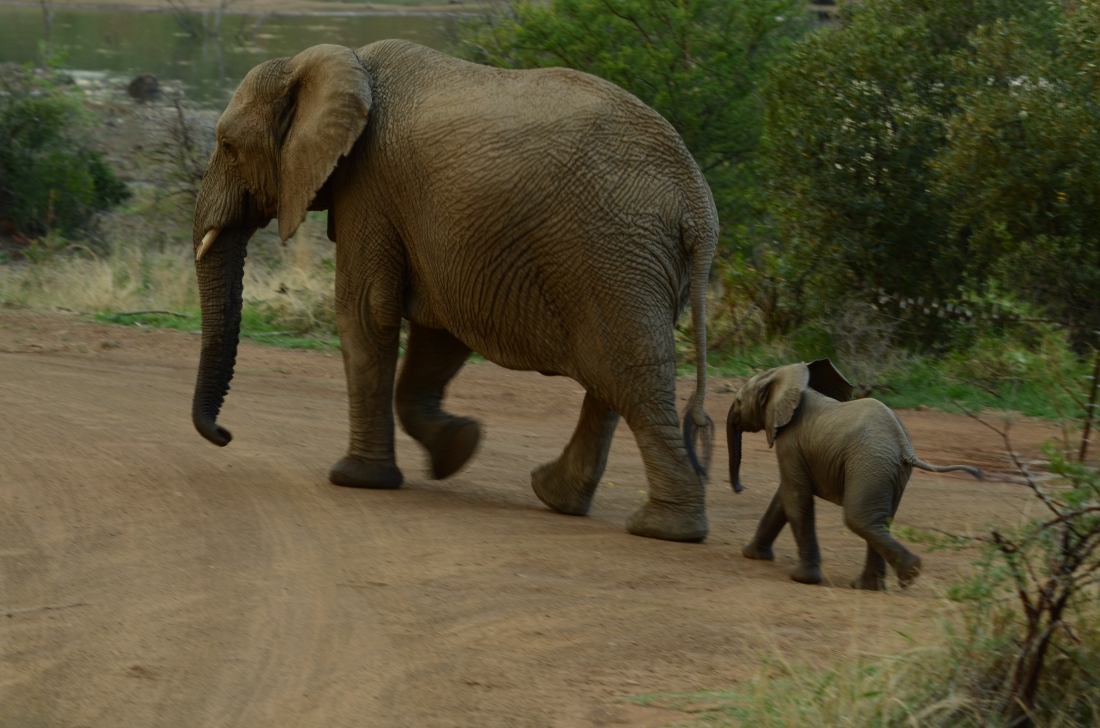 These two elephants were with a larger herd. Shortly after they crossed our path, the rain started. We were caught in an almighty thunderstorm. Our driver had to stop the truck and help us lower all the tarpaulins around the side, so that was the end of wildlife viewing for the day.
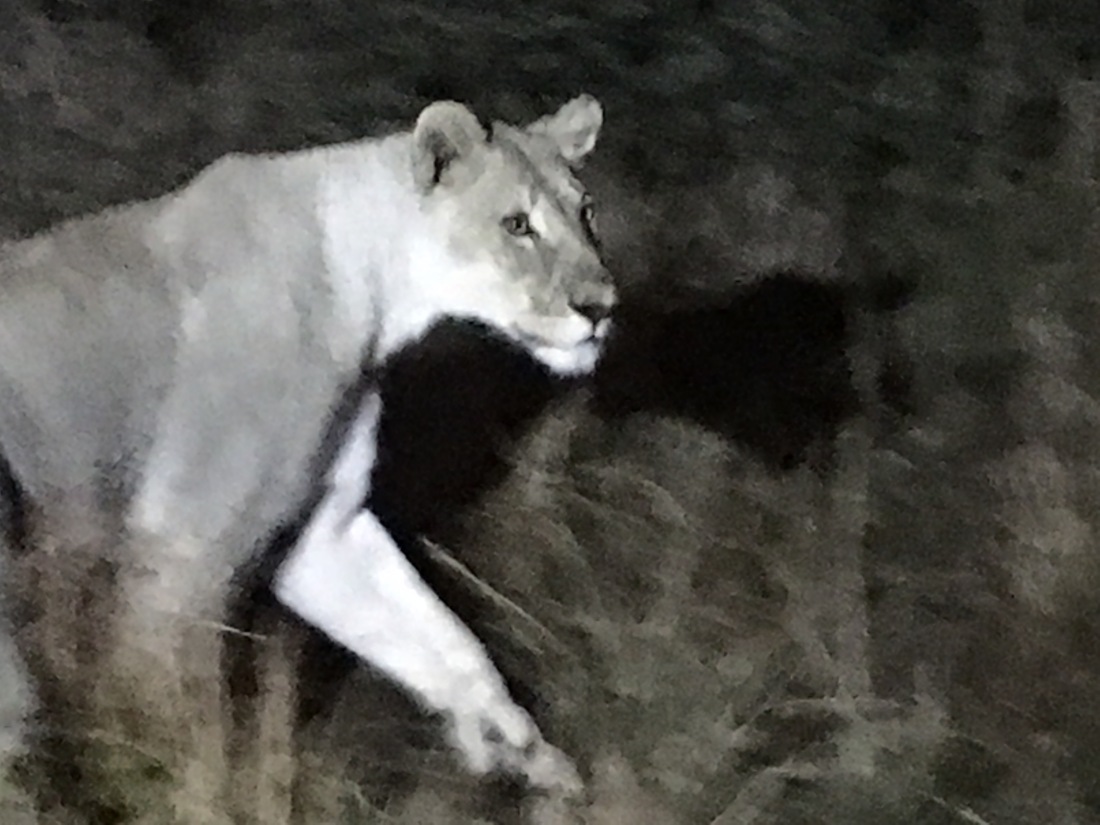 It’s a little grainy but worth including.

 We learned about the first known homo sapiens occupants of the Johannesburg area, the San bushmen, who are known to have been here about 90,000 years ago. The San lived in social groups and were subsistence hunter gatherers. The arrival of Bantu peoples in the region from about 1,500 years ago, with their advanced metalworking technologies and agriculture led to the San gradually being outcompeted and/or subsumed through inter-marriage into the Bantu culture, which was the dominant population until the arrival of the Dutch colonists in the 17th century and, with them, gunpowder and firearms.
 The restaurants attract a lot of people from all over Johannesburg, not just the locals. The influx of people inevitably attracts street vendors as well. Our eye was caught by these ladies selling baskets.
 After brunch, we had a short wander but the temperature was already up in the 30s, so we headed back to relax at the apartment. We’re pretty much down to two meals a day at the moment, and that’s particularly true after such a large breakfast so we took some time to review our Soweto photos from the previous day, had some communications with friends and family back home, and played our instruments for a while.
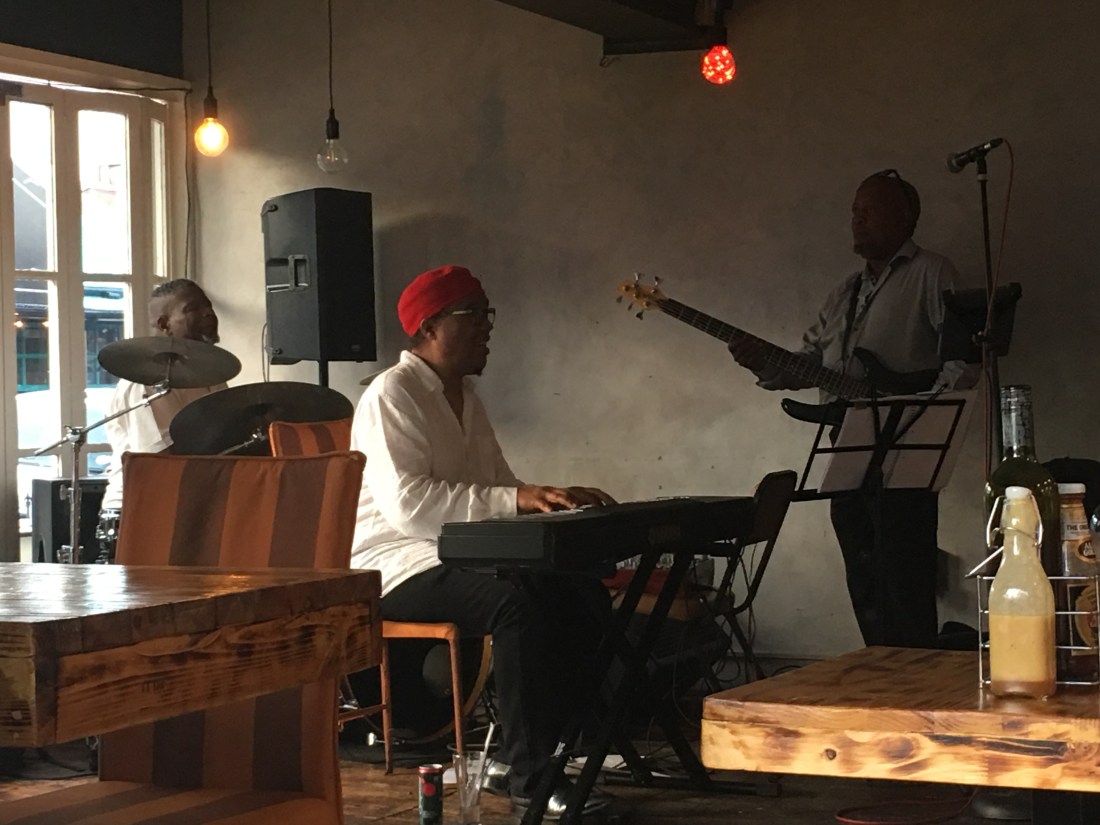 It turns out that these three cats had all played in
 At the end of Vilakazi St we climbed a small hill at the back of the houses which gave us an extensive view over Orlando West, which is the part of Soweto we were in, and Orlando East, which was our next stop.
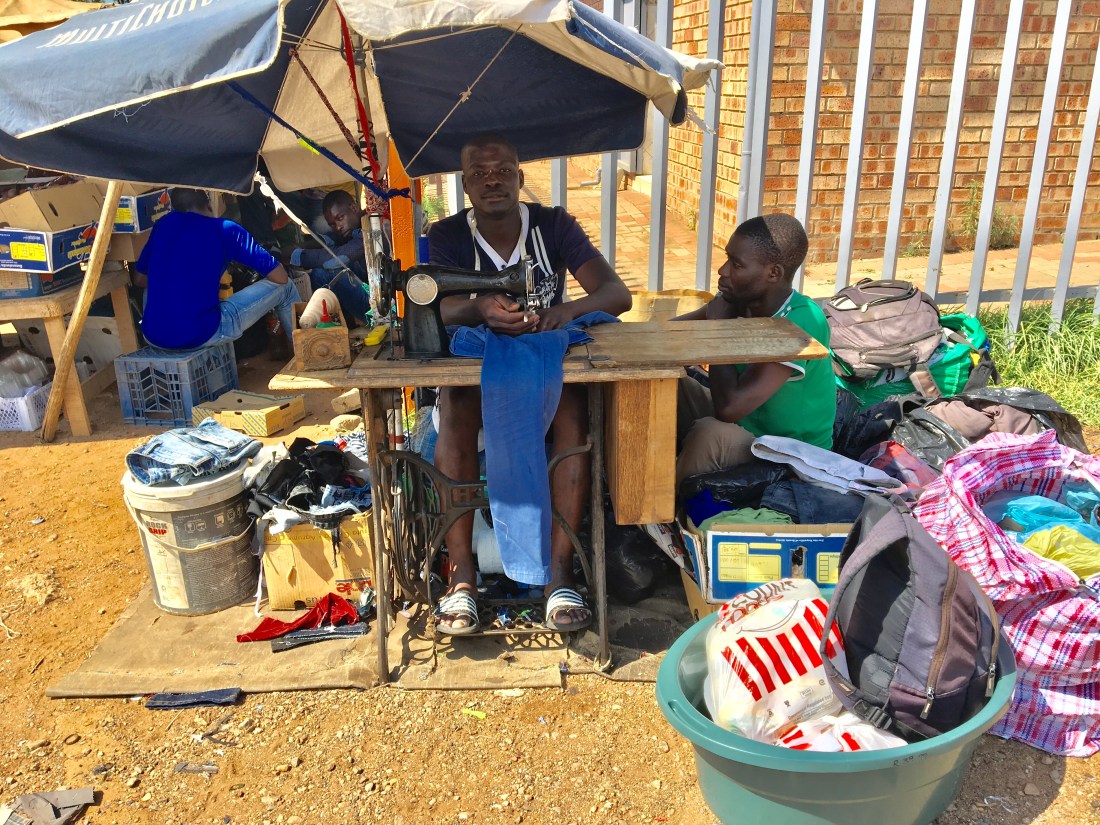
 After lunch we continued our stroll. There are a lot of streetside vendors of both goods and services and we were particularly taken by this gentleman offering clothing repairs and alterations on the verge at a busy junction.
 We tipped as we went for photos that we took. Sipho pointed out to us that, because of the areas we were visiting, locals were pleased to see tourists making the effort to visit. In fact, at one point, someone approached Sipho and asked if he could get his photo taken with Ishbel and me. He produced his mobile phone, handed it to Sipho, and put his arms around us. We all three grinned broadly and he went off happy with his snapshot of old white Sowetan tourists.
 Orlando East is the home of the Orlando Pirates. Orlando West is the home of the
 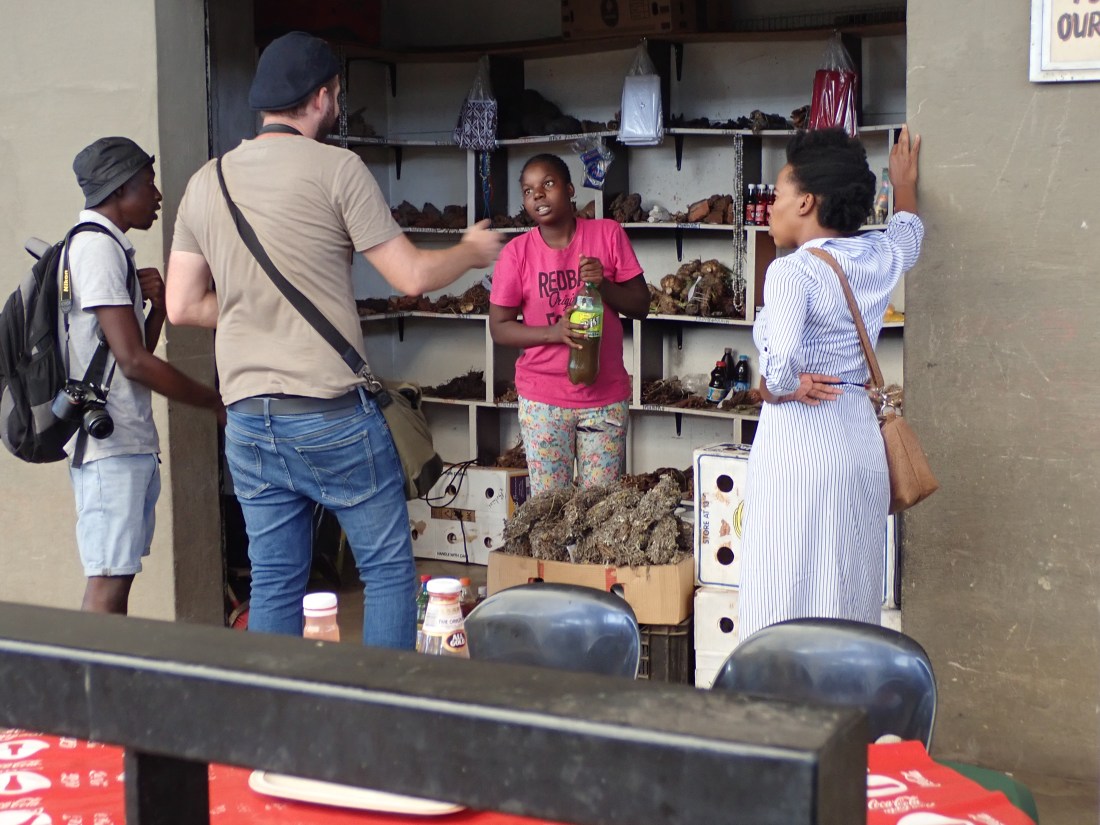 From the market, we continued our stroll heading down towards the Soweto Towers, the decommissioned chimneys of the Orlando Power Station which now act as giant advertising banners as well as a bungee jumping hotspot.


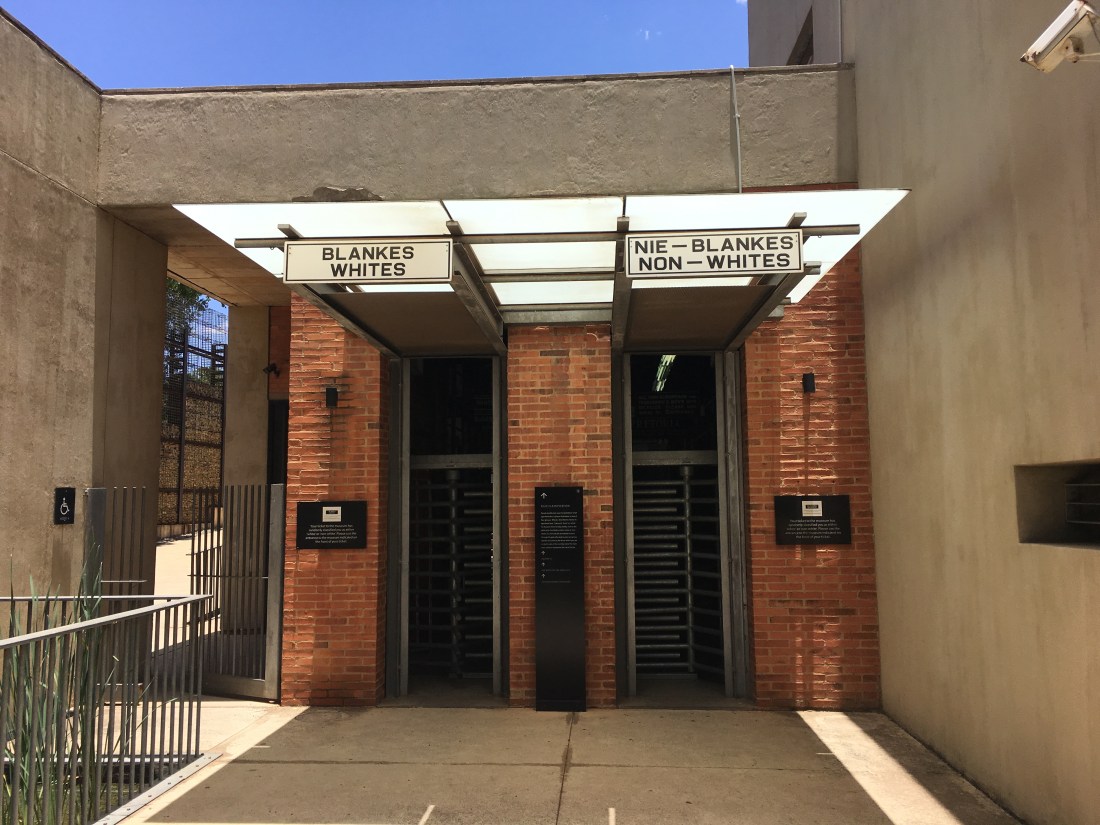
 …and you’re forced to use separate entrances to the building. As you pass through the opening exhibition, you are bombarded by an astonishing array of signs designed to keep the races apart. The sheer volume of signage required is actually a demonstration of just how artificial the segregation policy was.
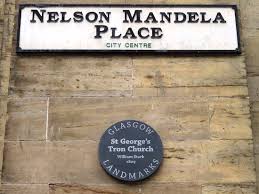 Mandela was awarded the freedom of the city in 1981 and the following year Glasgow’s mayor launched a global petition for his release from prison which was ultimately signed by 2,500 city mayors worldwide. In 1986, St. George’s Place was renamed Nelson Mandela Place. Largely because it was the postal address of the South African High Commission in the city.
 The growth of the black political consciousness in response to these unjust laws and the absence of the vote, led to the creation of political movements, most famously the African National Congress. The ANC was promptly banned by the South African government and it became a crime to be a member.
 As a schoolboy myself at the time, I couldn’t imagine the terror these kids were facing, And it continued for another 15 years.
 World After Work